



If you’re trying to reach customers on more than one platform, you’re already on the right track. But simply being on multiple channels isn’t a strategy—it’s just a starting point. The real question is whether those channels work in isolated silos or as a connected, intelligent system. That distinction is the difference between multichannel and omnichannel commerce, and it fundamentally changes your sales results.
In this guide, we’ll cut through the jargon. You’ll learn the core operational differences between these two approaches, see how each one drives (or hinders) sales, and get a clear framework to decide which path is right for your business right now.
Clearing Up the Confusion: Two Different Philosophies
Let’s start with clear, working definitions.
Multichannel Commerce is about availability. It means selling your products or services through multiple, independent channels—like a website, a mobile app, a physical store, and marketplaces like Amazon. The key word is independent. Each channel has its own inventory, pricing, and promotional strategies. The goal is to cast a wide net and meet customers wherever they might be. Think of it as having several different doors into your store, but once inside, the experience in each room is unique and disconnected.
Omnichannel Commerce is about integration. It also uses multiple channels, but it connects them into a single, seamless ecosystem. Customer data, inventory, pricing, and promotions are synchronized. The experience is fluid: a customer can research online, check local store inventory on an app, buy online for in-store pickup, and later return the item by mail without friction. The focus shifts from the product’s availability to the customer’s seamless journey.
In short: Multichannel puts your product in many places. Omnichannel builds one cohesive experience around your customer.
The Sales Impact: How Each Strategy Performs
The philosophical difference has direct, measurable consequences for your sales funnel, customer loyalty, and operational efficiency.
The Multichannel Sales Engine: Reach and Flexibility
A multichannel strategy excels at expanding your market reach and testing new waters with lower risk.
- Wider Top-of-Funnel Reach: By being present on multiple independent platforms, you increase brand visibility and can attract different customer segments. For example, you might reach bargain hunters on a marketplace and brand enthusiasts on your own e-commerce site.
- Channel-Specific Optimization: You have the flexibility to tailor promotions and messaging to the specific audience and norms of each platform. A campaign on Instagram can look and feel completely different from an email blast.
- Risk Diversification: If one channel underperforms or faces technical issues (like an app crash), your sales on other channels are not directly impacted.
However, the trade-off is a fragmented customer experience. A customer might see a different price on your website than in your store, or have to re-explain their issue when switching from chat to phone support. This disconnect can lead to frustration, abandoned carts, and a diluted brand image.
The Omnichannel Sales Engine: Loyalty and Lifetime Value
An omnichannel strategy is engineered to build deeper relationships, which translates to more valuable, repeat customers.
- Higher Conversion Rates: By removing friction, you make it easier for customers to buy. Features like “buy online, pick up in-store” (BOPIS) or saved carts that sync across devices directly reduce abandonment.
- Increased Customer Spend: Data consistently shows that omnichannel customers are more valuable. For instance, Target reported that omnichannel shoppers spend significantly more than those who shop only in-store. A seamless experience encourages cross-channel purchasing and greater trust.
- Powerful Personalization: With a unified view of customer data, you can move beyond generic blasts. You can send a personalized email featuring the products a customer browsed on your app, or offer a specific discount on an item they left in their online cart. This relevant communication boosts engagement and sales.
The challenge here is complexity and cost. Achieving this seamlessness requires integrated technology, aligned teams, and often a significant upfront investment.
Choosing Your Path: A Practical Framework
This isn’t about which strategy is “better” in a vacuum. It’s about which is right for your business stage, resources, and goals. Use this framework to guide your decision.
Start with a Multichannel Strategy if:
- You have limited resources or are early-stage: Omnichannel requires investment in integrated tech stacks (like unified CRM and inventory systems) that can be prohibitive.
- You need to test and learn: Use multiple channels to discover where your audience is most active and what messaging works.
- Your operations are simple: If you have a single product line or a straightforward sales process, the benefits of full omnichannel integration may not yet justify the cost.
- Your channels demand independence: For example, if you sell through third-party distributors or marketplaces that control their own pricing, a forced integration may not be feasible.
Move toward an Omnichannel Strategy if:
- Customer retention is a top priority: You’re focused on increasing customer lifetime value and building loyalty.
- You’re experiencing growth pains: Data silos are causing operational inefficiencies, inconsistent customer messages, or inventory headaches.
- Your audience expects it: If you’re selling to a digitally-native audience that values convenience and personalization, a disconnected experience can damage your brand.
- You have the foundational data and tech readiness: You’re prepared to invest in a customer data platform (CDP), integrate your systems, and break down internal silos between marketing, sales, and service teams.
A Note on the Journey: For most businesses, this isn’t an either-or choice forever. A multichannel approach is often the necessary first step. It allows you to establish presence and learn. The insights you gain then become the foundation for a more sophisticated, customer-centric omnichannel evolution.
Avoiding Common Pitfalls
No matter which path you choose, be aware of these common mistakes:
- Myth: “More channels automatically mean better results.” Simply adding channels without a strategy leads to ad fatigue and diluted efforts. It’s about strategic presence, not just being everywhere.
- Mistake: Inconsistent branding and pricing. Even in a multichannel setup, core branding and key pricing should be coherent to avoid confusing and eroding trust in your customers.
- Mistake: Treating omnichannel as just a tech project. Success depends just as much on aligning your people and processes. Sales, service, and marketing teams must share goals and data.
- Mistake: Neglecting data unification. Attempting omnichannel tactics without a “single customer view” leads to poor personalization. Your first technical step should be integrating data sources.
The Bottom Line for Your Sales
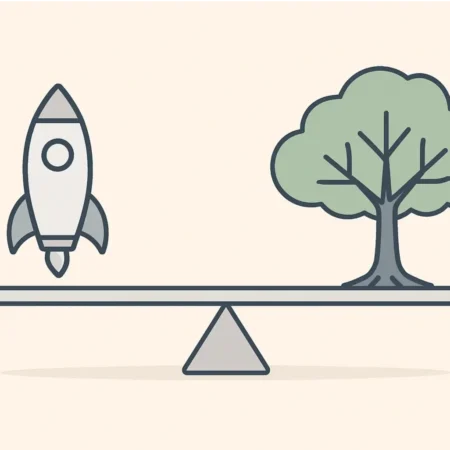
Your choice between multichannel and omnichannel dictates how your business grows.
- Multichannel is a breadth-first strategy. It’s excellent for acquisition and scale, helping you find new customers across a broad landscape. Think of brands like Fender, which uses separate channels (in-store, its learning app) to reach different enthusiast segments effectively.
- Omnichannel is a depth-first strategy. It’s powerful for nurturing and monetization, turning buyers into loyal advocates. Companies like Nike excel here, using its app membership to connect online engagement with in-store experiences, creating a sticky ecosystem.

Other Articles

Is “De-influencing” a Threat or an Opportunity for Your Brand?
Your Practical Guide to First-Party Data in a Shifting Digital World


No Comment! Be the first one.