You’ve taken three bubble baths this week. Your skin has never been glowier. You’ve journaled, meditated, and reorganized your essential oil collection by mood. On the surface, you’re the picture of someone who has self-care completely figured out. But underneath all that lavender-scented peace, there’s a nagging feeling. That email still hasn’t been opened. That difficult conversation is still waiting. And you know, if you’re truly honest, that your to-do list is buried under a mountain of face masks and “me time.”
Here’s the tricky truth: sometimes what we call self-care is actually a beautifully packaged form of avoidance. It feels productive, even virtuous, but it’s silently keeping us stuck. Real self-care doesn’t just soothe you—it strengthens you. Avoidance just dresses up in a robe and pretends.
Let’s walk through seven gentle but honest signs that your self-care routine might be doing more hiding than healing, plus exactly what you can do instead.
1. You Feel More Anxious After “Self-Care” Than Before
Genuine self-care leaves you feeling refueled and a little lighter. Avoidance leaves you heavier. You finish a 45-minute skincare ritual, but instead of calm, there’s a quiet sense of dread. The thing you were avoiding hasn’t moved, and now you have less time to deal with it.
What to do instead:
- Set a timer. Give yourself 10–15 minutes of a comforting activity after you finish one small thing you’ve been dodging.
- Ask yourself before you start: “Am I doing this to recharge or to hide?” No judgment—just honesty.
- Pair the hard task with a reward you can look forward to, not as a replacement for doing it.
2. Your To-Do List Grows While Your Bath Salt Collection Multiplies
If your self-care rituals are expanding to fill hours, but your responsibilities are standing still or piling up, your “me time” has become a stealthy exit strategy. It feels nicer to light candles than to pay the bill that’s three days late, but the relief is a short-lived illusion.
What to do instead:
- Tackle one nagging task for just five minutes. Often, that tiny start breaks the spell of avoidance.
- Create a “responsibility sandwich”: do a tiny unpleasant task, then a small self-care act, then another small task.
- Remind yourself that adulting is also self-care. Paying a bill on time is a form of future-you kindness.
3. You Use Self-Care to Numb, Not to Feel

Binge-watching an entire series with a face mask on isn’t always restorative—sometimes it’s a way to mute sadness, loneliness, or boredom. Avoidance loves to disguise numbing activities as “recharging.” True self-care often means letting a feeling move through you, not silencing it.
What to do instead:
- Try a “feel and deal” check-in. Set a timer for two minutes, sit without distractions, and just name what you’re feeling. No fixing, just acknowledging.
- Move your body gently—stretch, walk, or shake it out. This helps process emotions without escaping them.
- Ask, “What do I actually need right now?” Sometimes the answer is rest. Other times, it’s a cry or a call to a friend.
4. Your Self-Care Is Always a Solo Event
There’s absolutely a place for alone time, but if every act of self-care happens as a solo event behind a locked door and you find yourself dodging social invitations regularly, it may be a sign you’re retreating from connection. True wellness rarely thrives in complete isolation for too long.
What to do instead:
- Redefine self-care to include safe connection. A quick coffee with a friend, a walk with someone who listens, or even a voice note can refill your cup.
- Notice if you’re using “I need alone time” as a blanket excuse to avoid people who care about you. Just notice—no shame.
- Plan one low-pressure social moment this week where you don’t have to perform. Showing up as you are is enough.
5. You’re Perfectionistic About Your “Healing” Routine
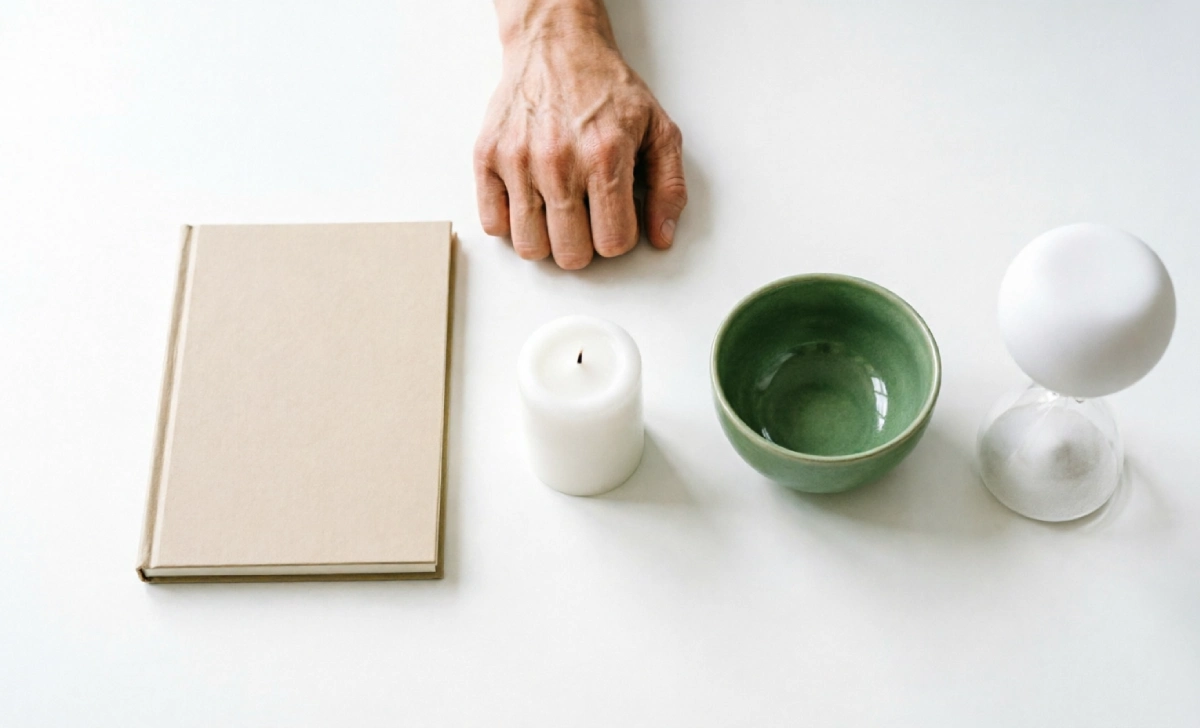
If your morning ritual has to happen in an exact order, with the right mug, the perfect sunlight, and zero interruptions—and you unravel without it—that’s not peace; it’s control disguised as self-care. Flexibility is a sign of emotional health. Rigidity often points to fear.
What to do instead:
- Practice doing one comforting thing imperfectly. Journal with a messy pen. Meditate on a noisy bus. Make self-care portable and real.
- Remind yourself that caring for yourself can look messy and unpolished. It’s not an Instagram aesthetic.
- When the routine gets disrupted, gently tell yourself: “I can still be okay even when things aren’t perfect.” That’s resilience-building self-care.
6. The Same Issues Keep Knocking, and You Keep Lighting Candles
Avoidance wears a particularly clever mask when you’ve been “working on yourself” for months but the same underlying struggles—chronic procrastination, relationship tension, career stagnation—remain untouched. Self-care that never leads to honest action becomes a cozy loop of inaction.
What to do instead:
- Identify one pattern that keeps resurfacing. Write it down simply: “I keep avoiding _.” That single sentence is powerful.
- Break the next step into laughably small pieces. Not “fix my career,” but “update one paragraph on my resume.” Tiny moves defeat avoidance.
- Consider talking to a therapist, coach, or trusted person. Avoidance often isolates; connection builds momentum.
7. You’re Terrified of Discomfort, and Self-Care Is Your Shield
Ultimately, avoidance-based self-care is often a fear of feeling anything unpleasant. You reach for the bath salts at the first hint of anxiety, boredom, or guilt. But here’s a gentle truth: you are capable of riding out discomfort. Real self-care teaches you that you can handle hard things—not just escape them.
What to do instead:
- Practice sitting with mild discomfort for two minutes. No phone, no distraction, just breathing. Notice that the feeling does not destroy you.
- Tell yourself: “This is hard, and I can do hard things.” That sentence, repeated, rewires your brain toward courage.
- Expand your definition of self-care to include bravery. Speaking up, setting a boundary, starting a scary project—those are profound acts of caring for yourself.
A Kinder, Braver Way Forward
Real self-care isn’t just about soft lighting and silence. It’s also about loud, messy, life-facing moments. It’s the difficult email you finally send because you deserve peace. It’s the awkward conversation that clears the air. It’s the run you don’t want to do but do anyway because your body matters. It’s asking for help when you’d rather hide.
True self-care will sometimes soothe you, and it will sometimes stretch you. It will hand you a warm cup of tea, and then it will gently but firmly nudge you toward the life you’ve been avoiding. You deserve both the comfort and the courage. Start giving yourself the kind of care that doesn’t just wrap you in a blanket but also helps you open the door.

Other Articles


No Comment! Be the first one.