



The best home improvement plan isn’t about chasing the highest resale value—it’s about designing for the life you actually live.
When you’ve decided your current house is your final stop, the approach to home improvement fundamentally changes. You’re no longer renovating for an unknown future buyer; you’re investing in your own long-term comfort, safety, and happiness. A “forever home” is less about a perfect structure and more about a space that can grow and adapt with you and your family through every life stage. This guide offers a practical, realistic roadmap for making upgrades that help you live better in the home you plan to stay in for good.
The Forever Home Mindset: Planning for Your Future Self
Before picking up a single tool, it’s crucial to shift your perspective. Renovating a forever home requires forward-thinking. It means asking questions like, “How will we use this space in 10 or 20 years?” and “What might become difficult as we age?”.
Common motivations for homeowners to remodel include the desire to upgrade worn-out surfaces (27%), improve energy efficiency (19%), or simply make a change (18%). For a forever home, these goals are amplified by the need for long-term durability and adaptability. It’s about choosing materials and layouts that will serve you well for decades, not just look good for a few years.
Where to Begin: Practical Projects for Lasting Benefit
The most successful forever home upgrades thoughtfully blend immediate quality-of-life improvements with forward-looking design. The following projects are excellent places to start, as they offer a high “joy score” for daily living while inherently future-proofing your space.
1. Enhance Safety and Accessibility
These modifications add comfort for everyone and become essential for aging comfortably in place.
- Bathroom Safety Upgrades: The bathroom is a key area for preventative updates. Consider installing grab bars that double as towel bars, or a toilet paper holder with a hidden support. Switching to a “comfort height” toilet makes sitting and standing easier. For the shower, a handheld showerhead on an adjustable slide bar is convenient today and necessary tomorrow.
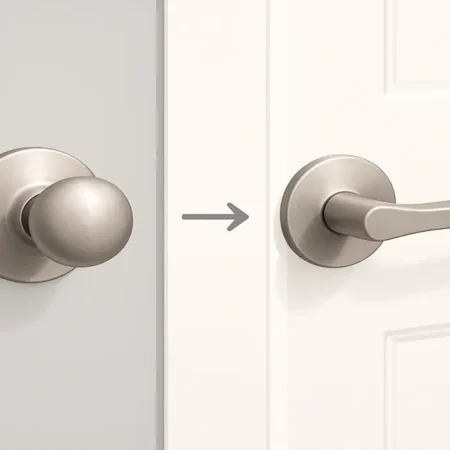
- Entryway Improvements: Ensure your main entrance is welcoming and functional. Replace a round doorknob with a lever-style handle, which is easier for hands of all ages and abilities to operate. Ensure the path to your door is level and well-lit. Adding a bench or shelf near the door provides a place to set down bags or packages.
- Smart Home Safety Tech: Modern technology can offer peace of mind. Smart smoke and carbon monoxide detectors, like the Kidde Smart Smoke detector, can send alerts to your phone in an emergency, which is invaluable if you’re away from home. Smart leak sensors can detect small, hidden water leaks early, preventing costly damage.
2. Boost Comfort and Livability
Create spaces that genuinely work for your daily routine and bring you joy.
- The Heart of the Home: Focus on functionality over fleeting trends. If space allows, a well-proportioned island adds invaluable prep space and can become a casual dining hub. Prioritize ample, accessible storage like pull-out drawers and deep cabinets. When updating, choose classic finishes and mid-range, durable appliances that you’ll enjoy using for years.
- Create Flexible Living Space: Think about how your needs might change. A finished basement or converted attic can evolve from a playroom to a teen hangout to a hobby space or home office. Opt for flexible furniture and abundant, well-placed lighting to make these spaces adaptable.
- Outdoor Living Rooms: Enhance your connection to the outdoors. A well-built wood or composite deck extends your living area and provides a high return on enjoyment. For lower maintenance, consider a stone patio. Add strategic lighting and space for container gardens to create a true outdoor retreat.
3. Invest in Efficiency and Integrity
These upgrades protect your investment and lower your cost of living over the long haul.
- Seal the Envelope: One of the smartest investments is in your home’s “shell.” Replacing old, drafty windows with energy-efficient models improves comfort, cuts utility bills, and reduces noise. Adding attic insulation has a similarly high payoff. Don’t overlook your doors; a new steel entry door or garage door dramatically improves curb appeal and security, often with an excellent return on investment.
- Smart Home Efficiency: Simple tech can lead to significant savings. A smart thermostat, like models from Ecobee, learns your schedule and can reduce heating and cooling costs, which typically account for over half of a home’s energy use. Smart plugs can eliminate “vampire” energy drain from electronics, and smart LED bulbs use 75% less energy and can be automated.
To help you prioritize, here’s a look at common renovation projects through the dual lens of personal joy and long-term value:
| Project Focus | Example Projects | Primary Benefit (For You) | Long-Term/Financial Benefit |
| Safety & Access | Bathroom grab bars, lever door handles, better lighting | Prevents accidents, easier daily living | Allows you to age in place; avoids costly future retrofits |
| Comfort & Joy | Kitchen island, finished basement, deck addition | Improves daily function, creates space for hobbies/guests | High “joy score”; can add usable square footage |
| Efficiency & Curb Appeal | New windows, steel entry door, smart thermostat | Lower bills, greater comfort, pride in your home’s look | High cost recovery at resale; protects the home structure |
Before You Start: A Realistic Planning Guide
Good planning prevents projects from becoming nightmares. Follow these steps to set yourself up for success.
- Define Your “Why”: Write down not just what you want to change, but how you want your life to improve. Instead of “remodel kitchen,” try: “I want to cook while talking with family without feeling cramped, and have a place for the kids to do homework”. This keeps the project focused on your real needs.
- Create a Realistic Budget and Timeline: Get multiple quotes for any professional work. Then, add a contingency of 10-20% for unexpected issues—they almost always arise. Be honest about timelines; a kitchen renovation will disrupt your life, so plan meals and routines accordingly.
- Know When to Call a Pro: Be brutally honest about your DIY skills. Tasks like painting, installing shelving, or updating hardware are great DIY projects. However, electrical work, plumbing, structural changes, and any project requiring a permit are best left to licensed professionals. A mistake can be dangerous and more expensive to fix than hiring someone at the start.
Common Mistakes to Avoid in a Forever Home Renovation
- Chasing Ultra-Luxury or Super-Trendy: Ultra-high-end finishes and hyper-specific trendy designs (like bold-colored appliances) often don’t provide a good return and may feel dated quickly. Choose quality, timeless materials you love.
- Over-personalizing Layouts: While you should make the space yours, avoid layouts that are too unusual or that severely limit future use. For example, converting a garage into living space might suit you now, but it could be a drawback for a future owner—or even for you if you need storage later.
- Neglecting the Basics: It’s exciting to dream of a new deck or bathroom. But always address fundamental maintenance first: a leaky roof, faulty wiring, or a failing HVAC system. These protect the integrity of your entire investment.
Creating your forever home is a marathon, not a sprint. It’s perfectly fine—and often wiser—to tackle projects one at a time as your budget and life allow. The goal isn’t perfection, but progress toward a home that feels more safe, comfortable, and uniquely yours with each passing year. By making thoughtful, practical choices today, you’re building a foundation for contentment and security for all the years to come. Start with one small project that would make your daily life better this week, and build from there. Your future self will thank you.

Other Articles




No Comment! Be the first one.