
Yes — you automatically own the copyright to every photo you take. No registration, no fees, and no © symbol required. This automatic copyright protection begins the instant you press the shutter button, and is guaranteed under an international agreement called the Berne Convention, followed by over 180 countries worldwide.
Every single day, thousands of photos are stolen online. Most photographers feel helpless — because they believe they need to register their work before they have any rights at all.
But here is the truth that most people never discover:
You legally owned your photos the second you took them.
No paperwork. No fees. No copyright registration. No © symbol required.
This is called automatic copyright protection for photos — and it protects every creator in over 180 countries right now, including the USA, UK, Canada, Australia, and India.
In this guide, we will explain exactly what this protection means, how the Berne Convention makes it possible, and what you can do if someone uses your photos without asking. All explained in simple, everyday language.
| IMPORTANT DISCLAIMER |
| This article is for general educational and informational purposes only. It does NOT constitute legal advice. Laws vary by country, state, and situation. Always consult a qualified legal professional for advice specific to your circumstances. |
1. What Is Copyright? — Simple Meaning
Copyright is a legal protection that gives the creator of something — like a photo, song, book, or painting — the right to decide how their work is used. It means only you can decide who copies, shares, prints, or sells your work.
No one else can use your creative work without your permission. If they do, they may be breaking the law.
| 💡 Did You Know? |
| Copyright does not just cover professional work. Your casual selfie, your food photo, and your vacation picture are all protected the same way as a famous photographer’s work. |
2. Why You Own Your Photo Copyright Automatically
The Simple Answer
When you press the camera button on your phone or camera, you become the copyright owner — instantly.
You do NOT need to:
- File any paperwork with the government
- Pay any registration fee
- Put a © symbol on your photo
- Send anything by post or email
- Wait for any approval
The law gives you this automatic copyright protection the moment you create the image. This is true in most countries around the world.
3. The Berne Convention — Explained Simply
Most people have never heard of the Berne Convention. But it is the international agreement that makes automatic copyright possible in most of the world.
Here is what it means in plain English:
| “When a person creates something original — a photo, a song, a book — they automatically own the copyright from that moment. No registration is required.” |
| — The Berne Convention (1886), followed by 181 countries |
Key facts about the Berne Convention:
- Created in 1886 in Berne, Switzerland
- Countries that follow it: 181 countries (as of today)
- Key rule: Automatic copyright from the moment of creation — no registration needed
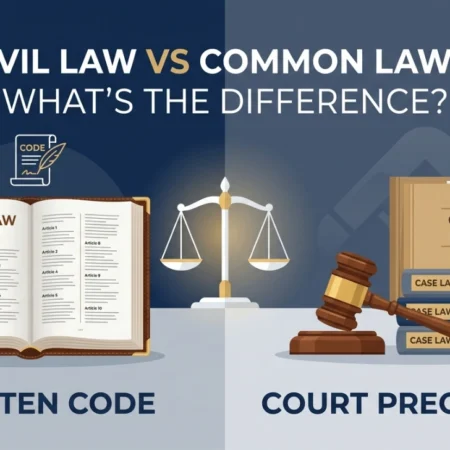
- Countries included: USA, UK, Canada, Australia, India, Germany, France, Japan, and most of the world. Keep in mind that how copyright is applied in court can differ depending on whether a country follows civil law or common law — so it is worth understanding the legal system in your country.
For more information on the official Berne Convention agreement, you can visit the World Intellectual Property Organisation (WIPO) official page.
4. How Automatic Copyright Protection Works: Step by Step
Let’s break down exactly what happens from the moment you take a photo:
Step 1 — You Create Something Original
You take a photo. It does not have to be a masterpiece. It just has to be yours — taken by you, not copied from someone else.
Step 2 — Copyright Is Created Instantly
The moment the photo is captured, copyright protection begins. No waiting. No forms. No cost.
Step 3 — You Are Now the Copyright Owner
You now have the legal right to:
- Share the photo wherever you choose
- Sell the photo or license it to brands
- Stop others from using it without permission
- Take action if someone steals your image
Step 4 — Protection Lasts a Very Long Time
In most countries, copyright protection lasts for the creator’s lifetime plus 70 years. This means your photos remain protected even after your lifetime — and that protection belongs to your family.
5. How to Prove You Own a Photo
This is one of the most common questions people ask: “OK, I own the copyright — but how do I PROVE it if someone takes my photo?”
Here are practical ways to show proof of ownership:
EXIF Data (Metadata Inside Your Photo File)
Every digital photo contains hidden information called EXIF data. This includes:
- The exact date and time the photo was taken
- The device (phone or camera model) used
- Location data (if your GPS was on)
This data is embedded automatically in the file. If your original file has this data and a stolen copy does not, that is strong evidence that you are the original creator.
Cloud Backup Timestamps
Services like Google Photos, iCloud, OneDrive, and Dropbox record when photos were first uploaded. This creates a time-stamped record showing you had the photo first.
Original File vs. Compressed Copy
When someone downloads your photo from the internet, it is usually compressed and of lower quality. Your original file will be higher quality and contain metadata that the stolen copy lacks.
Watermarking — A Smart Prevention Tip
Adding a small watermark (your name or website) to your photos makes them harder to steal and easier to track. You can do this with free tools like Canva or Adobe Express before posting.
Copyright Registration — Optional But Powerful
Registration is not required to own your copyright. But in some countries — especially the United States — registering with the Copyright Office gives you extra legal benefits.
In the USA, registered copyright holders can:
- Sue for extra money (called “statutory damages”) in court
- Recover legal fees if they win a copyright case
For most everyday situations, registration is optional. But for professional photographers or content creators, it can be worth considering. You can learn more at copyright.gov.
| Did You Know? |
| You do not need to go to court to protect your photos. Most copyright disputes are resolved simply by contacting the person or sending a formal removal request — no lawyer required in many cases. |
6. What Happens When You Post Photos on Social Media?
This is where most people get confused. Here is the clear truth:
Posting on social media does NOT take away your copyright.
However, when you create an account on a social media platform, you agree to its Terms of Service. This usually gives the platform a “license” — meaning they can display and share your photos within their app.
But this license has limits:
- You still own the copyright — the platform just has permission to show it
- The platform cannot sell your photo to a company without your permission
- Other users cannot download and reuse your photo just because it’s public
Platform-by-Platform Summary
| Platform | What Their Terms Say (Simplified) |
| Instagram / Facebook | You keep the copyright. Meta can show and share your content within their platform. You can delete it anytime to revoke their license. |
| TikTok | You keep the copyright. TikTok gets a broad license to use your videos in their app. Always review their latest terms. |
| Twitter / X | You keep the copyright. Twitter can display and redistribute content through its service. |
| YouTube | You keep the copyright. You give YouTube a worldwide license to show your video on their platform. |
| You keep the copyright. Pinterest can display and share pins within its service. |
Note: Social media terms change. Always read the current terms of each platform for the most accurate information.
7. Real-Life Examples of Automatic Photo Copyright
Example 1: The Instagram Travel Photographer
Maria takes travel photos and posts them on Instagram. A travel blog takes her photos and uses them in their articles — without asking.
Maria never registered her copyright. But she still owns it. She can contact the blog, send a formal removal request, and if necessary, report the violation to the website host. The blog is legally required to comply.
Example 2: The Student Photographer
A college student takes photos for a class project. A local newspaper uses one of the photos in its print edition without asking.
Even though the student is not a professional, they own the copyright to their original photo. They can ask for the photo to be removed or seek credit — and they are within their rights to do so.
Example 3: The Casual Selfie Taker
You take a selfie at a concert. Someone screenshots your Instagram post and shares it on their business account to promote their brand.
That selfie belongs to you the moment you took it. Using your photo for a business purpose without permission is a more serious violation — especially if they are profiting from it.
Example 4: The Workplace Photographer
A company hires a photographer to take photos at their event. The photographer signs a “work-for-hire” contract.
In this case, the company — not the photographer — may own the copyright. This is a special legal situation that applies when someone is paid specifically to create work under a contract. Always read your contracts carefully.
8. Common Myths About Photo Copyright
| MYTH: “I need to register my photo to own the copyright.” |
| TRUTH: Registration is NOT required to own copyright. Ownership is automatic from the moment you take the photo. However, registration in some countries (like the USA) gives extra legal benefits if you need to go to court. |
| MYTH: “If I post it on social media, I lose the copyright.” |
| TRUTH: Posting on social media does NOT give away your copyright. Platforms get a license to display your content, but you remain the owner. |
| MYTH: “If a photo has no © symbol, it’s free to use.” |
| TRUTH: The © symbol is helpful but NOT required. Every original photo is protected by copyright, whether the symbol is there or not. |
| MYTH: “The person who owns the camera owns the photo.” |
| TRUTH: In most cases, the person who PRESSED the shutter button owns the copyright, not the person who owns the camera or phone. (There are exceptions for work-for-hire contracts.) |
| MYTH: “Photos on Google Images are free to use.” |
| TRUTH: Almost every photo on Google Images is copyright-protected. Seeing it online does NOT mean you can use it. Always look for Creative Commons-licensed photos or get permission from the owner. |
9. What to Do If Someone Uses Your Photo Without Permission
Here are general steps people commonly take (always consult a legal professional for serious situations):
- Contact the person directly — Politely ask them to remove the photo or properly credit you. Many cases are resolved at this step.
- Send a formal written request — A clear written message (sometimes called a “cease”) asking them to stop using your image.
- Report to the platform — Facebook, Instagram, YouTube, and most platforms have copyright complaint forms. Use them to report misuse.
- Contact their website host — If someone is using your photo on a website, you can report the violation to their hosting company.
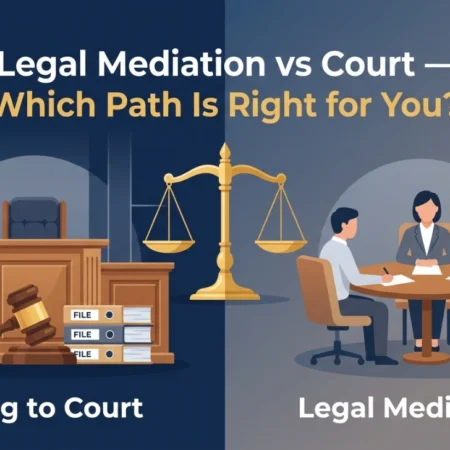
- Before going to court, consider formal mediation — a faster and less expensive way to resolve photo disputes. Learn how legal mediation compares to going to court to decide which path suits your situation best. Seek legal help — If the situation is serious or someone is profiting from your stolen photos, consult a qualified intellectual property lawyer.
10. People Also Ask
Can someone use my photo if they credit me?
Crediting you is polite — but it is NOT the same as having permission. If someone uses your photo without asking, giving you credit does not make it legal. You still have the right to ask them to take it down or to negotiate proper compensation.
How do I prove I own a photo if there is a dispute?
The best ways to prove ownership include: showing the original file with EXIF metadata, providing cloud backup timestamps (Google Photos, iCloud), demonstrating a higher-quality original vs. compressed stolen copy, and showing your publication date vs. theirs.
Does my copyright apply in other countries?
Yes — in most cases. Because 181 countries follow the Berne Convention, your copyright is generally recognised internationally. However, specific enforcement processes vary by country. A local legal professional can advise on cross-border issues.
Can I copyright a photo of a famous painting or landmark?
This is complex. Photos of public domain artworks (very old paintings where copyright has expired) may be treated differently in different countries. Photos of landmarks in public spaces are generally fine, but some buildings and sculptures have their own copyright. When in doubt, research the specific location.
“Fair use” is a legal concept (mainly in the USA) that allows limited use of copyrighted material without permission — for example, in news reporting, education, or parody. However, fair use is decided on a case-by-case basis and can be complicated. It does not give anyone unlimited rights to use your photos.
11. Summary: What You Should Remember
| Key Point | Simple Explanation |
| Copyright is automatic | You own it the moment you take the photo — no registration needed |
| Berne Convention | An international agreement protecting you in 181 countries |
| Instant protection | Ownership begins the second the photo is taken |
| © symbol is optional | Your photo is protected whether the symbol is there or not |
| Social media ≠ is losing copyright | You still own what you post online |
| EXIF data = proof | Your original file contains hidden data that proves ownership |
| Watermark = prevention | Adding your name to photos makes them harder to steal |
| Registration = optional boost | Not required for ownership, but gives extra legal benefits in some countries. |
Copyright law exists to protect everyday creators like you. Whether you are a student, a travel blogger, a parent sharing family photos, or someone who just loves taking pictures, your work has value, and the law recognises that from the very first click.
12. FAQs
Do I need to pay anything to own the copyright on my photos?
No. Copyright is free and automatic. You own it the moment you press the shutter button — no payment, no forms, no waiting.
What is the Berne Convention in simple words?
It is an international agreement between 181 countries that says: when you create something original, you automatically own the copyright from that moment — no registration needed.
Does copyright apply to photos taken on a smartphone?
Yes! It makes no difference whether you use a professional camera or a basic smartphone. If you took the photo, you own the copyright.
Can a company own the copyright to my photos?
In some work situations (called “work-for-hire”), a company or employer may own the copyright to photos taken as part of your job. This depends on your contract. Always read any agreement before signing.
Does posting on Facebook or Instagram mean I lose copyright?
No. You keep your copyright. Social media platforms get a license to show your content on their app — but you remain the owner. You can delete your content at any time to revoke this.
What is “fair use” in photography?
Share this article with a creator friend who needs to know their rights.
IMPORTANT DISCLAIMER
This article is for general educational and informational purposes only. It does NOT constitute legal advice. Laws vary by country, state, and situation. Always consult a qualified legal professional for advice specific to your circumstances.

Other Articles

Digital Danger in 2026: The New Cybersecurity Threats You Can’t Ignore
Civil Law vs Common Law: A Simple Guide for Non-Lawyers
No Comment! Be the first one.