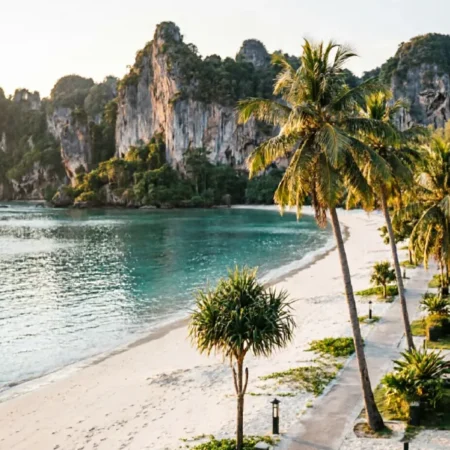
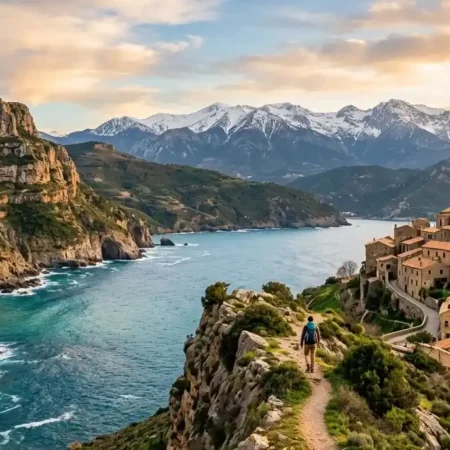
Most people think of the same handful of islands when they plan a beach trip. Bali. Maldives. Santorini. And yes, those are beautiful. But they’re also crowded, expensive, and honestly? A little overplayed at this point.
Here’s the thing: some of the best island vacations in the world are sitting quietly, waiting for travellers who are willing to look a little further. These underrated island destinations offer stunning beaches, rich culture, and real local experiences — without the tourist traps and inflated prices.
I’ve travelled to several of these islands personally. Others come from trusted travellers and travel writers who’ve done the homework. Either way, this list is built for people who want something real, not just an Instagram backdrop.
Why Underrated Islands Are Often the Better Choice
When you visit a lesser-known island, a few things change immediately. The beaches are less crowded. The locals are genuinely happy to see you. The prices are lower. The food is more authentic. And you actually get to relax instead of fighting for a sun lounger.
Overtourism is a real problem on famous islands. It damages coral reefs, raises local housing costs, and turns natural places into theme parks. Choosing underrated destinations is better for you and for the places you visit.
Now, let’s get into the list.
15 Underrated Island Vacations Worth Every Penny
1. Faroe Islands, Denmark
Most people haven’t even heard of this place. The Faroe Islands sit between Norway and Iceland in the North Atlantic. The landscapes are dramatic — green cliffs dropping straight into the ocean, tiny villages with grass rooftops, and waterfalls everywhere. It’s not a beach destination, but if you want raw, untouched nature, nothing compares. Visit between May and August for the best weather.
2. Palawan, Philippines
Palawan has been getting attention lately, but most tourists stick to El Nido. The rest of the island — Coron, Port Barton, Busuanga — is still beautifully quiet. The diving here is world-class, with WWII shipwrecks and coral gardens that look like something from a documentary. Budget travellers can live very well here for $40–60 a day.
3. São Tomé and Príncipe, West Africa
This tiny island nation off the coast of Gabon is one of Africa’s best-kept secrets. Lush rainforests, deserted beaches, Portuguese colonial architecture, and incredible cocoa farms. Tourism infrastructure is basic but growing. It’s genuinely off the beaten path — which is exactly why it’s special.
4. Milos, Greece
Everyone goes to Mykonos and Santorini. Milos is quieter, cheaper, and honestly more beautiful in many ways. The island has over 70 beaches — including Sarakiniko, which looks like a lunar landscape — and far fewer tourists. Ferries run regularly from Athens. Stay in a local guesthouse instead of a resort and you’ll save a fortune.
5. Rodrigues Island, Mauritius
Mauritius is already underrated. Rodrigues — a tiny island about 560 km northeast of Mauritius — is even more so. It feels like Mauritius did 30 years ago. No big hotel chains. Coral lagoons with almost no one in them. Excellent seafood. The island has a small airport with regular flights from Mauritius.
6. Azores, Portugal
The Azores are nine volcanic islands in the middle of the Atlantic Ocean. They’re part of Portugal, so the food and culture feel European, but the landscape is unlike anything in Europe. Whale watching, hot springs, crater lakes, and some of the greenest scenery you’ll ever see. Flights from Lisbon and several European cities are surprisingly affordable.
7. Nias, Indonesia
Bali is great. But Nias, off the western coast of Sumatra, is where serious surfers and adventure travellers go. The waves at Lagundri Bay are legendary. The local Nias culture — with traditional stone-jumping ceremonies and ancient megalithic villages — is fascinating and very different from anything you’ll find in mainstream Bali.
8. Bonaire, Caribbean
The Caribbean has dozens of islands. Bonaire stands out for one major reason: the marine life. The entire coastline is a protected marine park, and you can literally wade in from the beach and snorkel or dive over stunning coral reefs. There are no massive cruise ships, no party scene. It’s a diver’s island. If the Caribbean is on your radar and you want another quiet, distinctive Atlantic island to pair it with, Bermuda is one of the most underrated stops in the region — small, polished, and nothing like what most people expect.
9. La Palma, Canary Islands, Spain
The Canary Islands are popular, but most tourists go to Tenerife or Gran Canaria. La Palma is the green, quiet one. It has the darkest night sky in Europe (there’s an international observatory here), ancient laurel forests, volcanic craters, and almost no crowds. It’s perfect for hikers and stargazers.
10. Koh Lanta, Thailand
While Koh Samui and Phuket get all the attention, Koh Lanta offers long beaches, relaxed vibes, and a Muslim-majority culture that feels completely different from Thailand’s other islands. It’s quieter, the food is excellent, and the prices are still reasonable. Visit between November and April for dry weather.
11. Gozo, Malta
Malta is a well-known destination now, but most tourists skip Gozo, the smaller island just north of Malta. Gozo has ancient temples older than Stonehenge, clear blue waters, and a slow pace of life that’s genuinely restorative. Take the 25-minute ferry from Malta, and you feel like you’ve travelled back in time.
12. Togean Islands, Indonesia
Getting to the Togean Islands in Central Sulawesi takes effort — ferries, small planes, long drives. But that’s exactly what keeps them quiet. The diving and snorkelling are extraordinary. You can stay in simple wooden bungalows over the water for very little money. If you’re looking for a place that genuinely feels undiscovered, this is it. Several of these islands also involve serious travel time, so it’s worth knowing how to handle a long-haul flight before you set off — arriving well-rested makes a real difference when you still have connecting ferries ahead of you.
13. Jeju Island, South Korea
Jeju is hugely popular with Korean and Chinese tourists, but most Western travellers don’t think to include it on their itinerary. It’s a volcanic island with waterfalls, caves, black lava rock beaches, and excellent local food. Easy to reach by flight from Seoul — usually under $50 round-trip.
14. Djerba, Tunisia
Djerba is a flat, sun-soaked island off the coast of Tunisia in North Africa. It has a long history — some historians believe it may be the island of the lotus-eaters from Homer’s Odyssey. The medina, Jewish heritage sites, and relaxed Mediterranean beaches make it a genuinely interesting mix. It’s much cheaper than European island destinations.
15. Ometepe Island, Nicaragua
Ometepe sits inside Lake Nicaragua, formed by two volcanoes. It’s one of the most visually striking islands in the Americas. You can hike the volcanoes, visit ancient petroglyphs, kayak in the lake, and stay in eco-lodges run by local families. Nicaragua as a whole is undervisited, which means Ometepe still has that rare, untouched quality.
A Few Practical Tips Before You Book
Check visa requirements early. Some of these islands — especially those in Africa and Southeast Asia — have visa rules that require advance planning.
Travel insurance is non-negotiable. When you’re visiting remote islands, medical facilities can be limited. Good travel insurance with medical evacuation coverage is essential.
Book accommodation in advance for smaller islands. Less tourism doesn’t always mean more availability. Some islands have very few places to stay, and they fill up during peak months.
Don’t skip the local food. On lesser-known islands, the best meals are almost always at small family-run spots, not tourist restaurants. Ask locals where they eat.
Respect local culture. Many of these islands have strong cultural or religious traditions. Research basic etiquette before you arrive — it makes a huge difference in how locals receive you.
Think about how you’ll use these islands. Some travellers combine a few of them into a single extended trip — a week in the Azores followed by a few nights in Gozo, for example. Others prefer to stay longer in one place. If the trip lines up with a big life milestone, it’s worth knowing that several of these destinations — Milos, Rodrigues, the Azores — also make genuinely special honeymoon options that won’t cost a fortune.
Conclusion
The world is full of incredible islands that most travellers never visit. They’re not hard to reach, they’re not dangerous, and they’re not uncomfortable. They’re just off the standard tourist map — which is precisely what makes them worth visiting.
If you’re tired of overcrowded beaches and overpriced resorts, any of the islands on this list will give you a very different experience. Pick one that matches your travel style — whether that’s diving, hiking, culture, food, or just doing nothing on a quiet beach — and book it before the crowds find it first.
Key Takeaways
- Underrated island vacations often offer better value, fewer crowds, and more authentic experiences than famous tourist destinations
- Islands like Milos (Greece), Bonaire (Caribbean), and Rodrigues (Mauritius) are comparable in beauty to their famous neighbours but far less crowded
- Remote islands require more planning — check visa rules, get travel insurance, and book accommodation early
- Respecting local culture on lesser-known islands helps preserve what makes them special in the first place
- Choosing off-the-beaten-path islands is also a more sustainable way to travel — spreading tourism benefits beyond the most overcrowded destinations