
Imagine plugging in your truck at a trailhead in Montana, strapping on a GPS watch that tracks your altitude in real time, and knowing the flight you booked home was priced and routed with help from AI. That’s not a future scenario. It’s available right now, and it’s changing what “travel” actually means.
Most guides cover one piece of this picture. One article reviews electric trucks. Another explains airline pricing. A third tells you which hiking sandals hold up on rocky trails. None of them put the whole picture together, so you’re left piecing together your own plan from five different browser tabs.
This guide covers the five categories of technology that are genuinely expanding where and how people can go: electric vehicles, aviation and travel-planning AI, space and STEM programs, wearable and outdoor gear, and the tools tying it all together. You’ll get real specs, real pricing, and a clear sense of who each option is for.
Key Takeaways
- Electric vehicles like the Rivian R1T now offer up to 420 miles of range and nine terrain-specific drive modes, making them genuine adventure vehicles rather than just commuter cars.
- AI is changing aviation from the inside out, touching everything from ticket pricing to on-time arrival.
- Space Camp isn’t only for kids. Adults can go through astronaut training for $799 to $1,999.
- The right wearable gear can extend how far you go, keep you safer, and track your progress across thousands of miles of terrain.
- 2026 is a turning point where these technologies are converging, making travel more accessible and more exciting than it’s been in years.
Why 2026 Is a Breakthrough Year for Travel Technology
A few shifts over the past year explain why this is a good moment to pay attention.
The Rivian R1T earned Edmunds’ Top Rated Electric Truck award for the second year running, and the R1S picked up a 2026 IIHS Top Safety Pick+ rating. Range on these vehicles has climbed to as much as 420 miles, and the switch to NACS charge ports means owners can now access more than 50,000 charging stations, including Tesla Superchargers. Range anxiety, long the biggest objection to EV road trips, is becoming less of an issue with every model year.
In aviation, AI has moved past chatbots and recommendation widgets. It’s now involved in actual transactions: pricing, scheduling, and route planning. That shift shows up in the numbers. Some U.S. routes have seen airfares drop close to 30% year over year, while others have climbed by double digits, depending on demand and capacity shifts among the four carriers that now control more than three-quarters of the domestic market’s roughly 741 million summer seats.
There’s also a workforce angle worth noting: more than one in three young workers globally are now in jobs where AI is meaningfully changing day-to-day tasks, and travel and hospitality roles are part of that shift. That tells you the pace of change in travel tech isn’t slowing down.
Electric Vehicles: The Tech That Literally Takes You Places
Rivian R1T and R1S: Built for Adventure
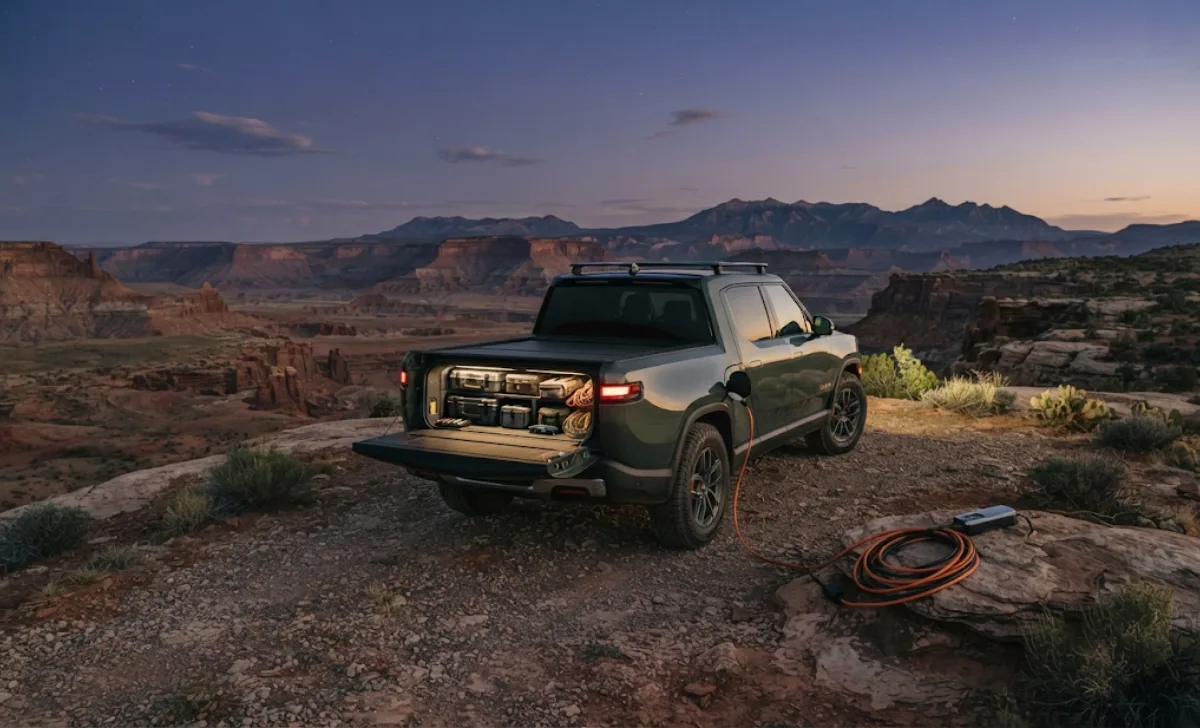
Of all the EVs on the market, Rivian’s lineup is the one built specifically around the idea of getting somewhere remote and doing something once you arrive.
The R1T and R1S offer up to 420 miles of range per charge, with nine drive modes that adjust the vehicle’s behaviour for sand, mud, rock, or highway driving at the touch of a button. The R1S earned a 2026 IIHS Top Safety Pick+ rating, and both vehicles include practical touches for travellers, like a gear tunnel built into the truck bed for storing equipment out of the weather.
Current offers include financing as low as 1.99% APR, or $3,000 toward a lease on select 2026 R1 models. Rivian is also taking reservations for the R2, a smaller and more affordable model expected to widen the lineup further.
If you want to see one in person, Rivian operates showrooms in several markets, including Glendale, California, where you can schedule a test drive without a hard sales pitch.
Choosing the Right EV for Your Travel Style
Not every EV fits every kind of trip. Here’s a rough way to think about it:
- R1T (truck): Best if you carry gear — bikes, kayaks, camping equipment — and want bed storage plus off-road capability.
- R1S (SUV): Best for families who want cargo room, three rows of seating, and a high safety rating.
- R2 (compact, arriving soon): Best for buyers who want the Rivian approach to adventure at a lower price point and a smaller footprint.
If most of your trips are day drives and weekend getaways rather than long expeditions, a shorter-range EV from another manufacturer may cost less and still cover your needs comfortably.
AI Is Reshaping How You Get There
How AI Is Changing Airline Operations
Airlines have used software for decades, but the role AI now plays goes further than ticketing systems. It’s involved in setting prices in near real time, adjusting routes based on demand, and managing airport operations through live data feeds.
The practical effect shows up in punctuality and pricing. Asian carriers currently dominate the top of global on-time performance rankings, with Wizz Air standing out among low-cost carriers for reliability. Meanwhile, U.S. airfare has moved unevenly: some routes are cheaper by nearly 30% compared to last year, while others have gotten more expensive, largely tied to how the four dominant carriers are allocating capacity across their networks.
None of this is visible to a passenger booking a flight, but it’s the reason two similar routes can have wildly different prices depending on the week you search.
AI-Powered Trip Planning Tools
On the consumer side, AI trip planners have gotten noticeably better at handling multi-leg itineraries, comparing fare trends, and suggesting alternate routes that save money without adding much travel time. These tools are improving quickly, in part because the same AI capabilities reshaping airline operations and travel-industry hiring are also being built into consumer-facing apps. If you tried an AI trip planner a year or two ago and found it clunky, it’s worth another look.
Space Exploration Tech: Taking You Places You’ve Never Been
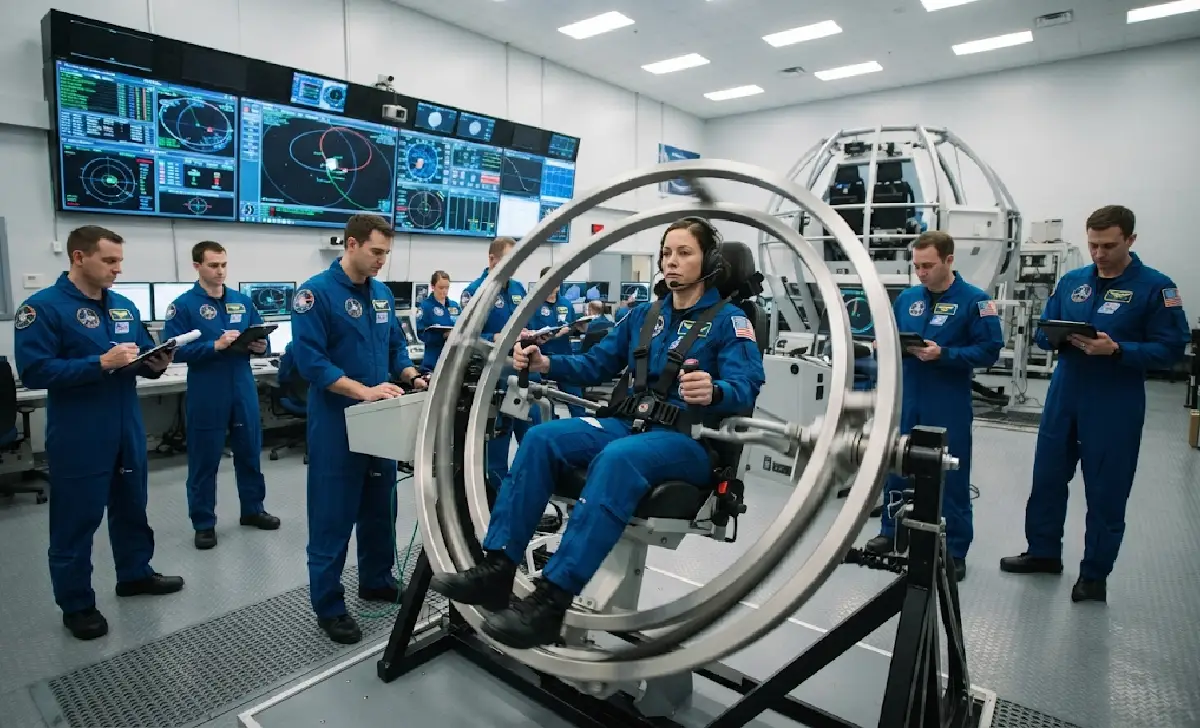
Space Camp and Space Academy Programs
The U.S. Space & Rocket Centre runs a set of programs that put civilians, including adults, through a version of astronaut training. Pricing and age brackets break down like this:
- Space Camp (ages 9–11): $1,799
- Space Academy (ages 12–14): $1,899
- Advanced Space Academy (ages 15–18): $1,999
- Adult Space Academy (a weekend program): $799
- Adult Advanced Space Academy (a full week): $1,999
- Family Space Camp (per person): $799
- Pathfinder (group program, per person): $499
Activities include time on a Multi-Axis Trainer, an Underwater Astronaut Trainer used to simulate weightlessness, and full mission simulations. The centre’s youth programming, known as S.A.L.S.A., is funded in part by the Alabama Legislature, which has helped keep costs down for younger participants.
Is Space Tourism Getting Closer to Reality?
Actual civilian spaceflight is still expensive and limited to a small number of paying passengers each year. Programs like Space Camp are the realistic, accessible version of that experience for most people right now: hands-on, simulation-based, and a fraction of the cost of an actual orbital or suborbital ticket. As commercial space travel matures, expect programs like this to serve as a stepping stone rather than a substitute.
Wearable and Outdoor Tech: Tech That Takes You Off the Beaten Path
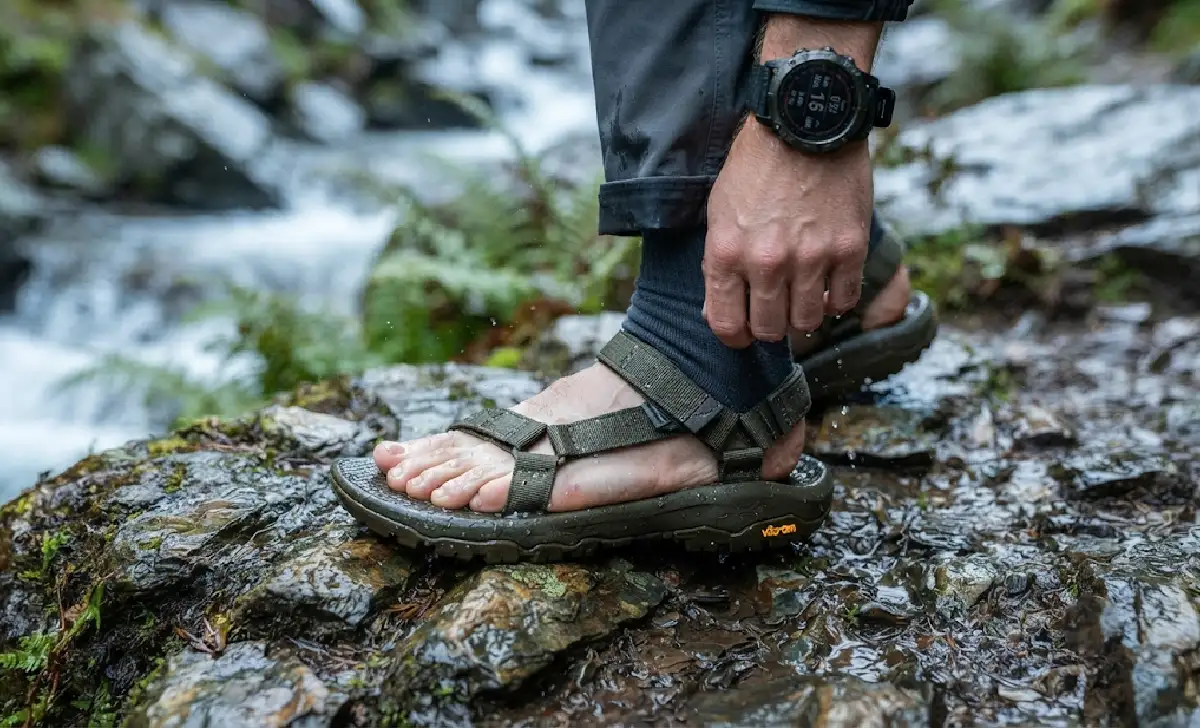
Gear That Makes the Trail Smarter
Outdoor travel has its own category of enabling technology, and it’s less flashy than an electric truck but just as practical. GPS watches and satellite communicators let hikers track routes, monitor elevation, and call for help in areas without cell coverage.
Footwear has become part of this conversation too. One widely tested pair of hiking sandals has logged more than 7,000 miles across 22 states, evaluated for durability, hot spots, and grip on wet rock and loose terrain. Testing also looked at differences between unisex and women’s-specific builds, including a wider Q angle and more joint flexibility in the women’s version, both of which affect comfort on long days on the trail.
How to Choose Tech for Your Adventure Level
- Weekend hikers: A basic GPS watch and a reliable pair of trail shoes cover most needs.
- Multi-day backpackers: Add a satellite communicator for areas without signal, plus gear rated for extended wear.
- Remote or solo travellers: Prioritise safety tech first — a communicator with an SOS function is worth the investment before anything else.
Compare Your Options
Here’s how the five categories stack up against each other on cost, purpose, and accessibility.
| Technology | Cost Range | Best For | Accessibility | Sustainability |
|---|---|---|---|---|
| Electric Vehicles (Rivian) | ~$1,754/mo at 1.99% APR | Road trips, families, overlanding | Test drives available at showrooms | High — zero tailpipe emissions |
| Space Camp Programs | $499–$1,999 | STEM enthusiasts, families, educators | Age-specific programs, adult options included | Educational value |
| AI Travel Tools | Free–$20/mo | Planning, booking, route optimisation | App or web-based | Moderate — reduces wasted trips |
| Hiking Wearables | $50–$500+ | Outdoor adventurers | Widely available | Low to moderate |
| Aviation AI | Indirect (affects fares) | All air travelers | Built into the booking process | Moderate — improves fuel efficiency |
The clearest pattern: EVs and space programs require the biggest upfront commitment but deliver the most direct experience. AI tools and wearables cost far less and improve almost any trip you already have planned.
What’s Next
A few developments worth watching over the next year or two:
- The Rivian R2 is expected to bring the brand’s approach to a lower price point, with reservations already open.
- AI agents in travel planning are becoming more autonomous, handling multi-step booking tasks rather than just answering questions.
- New aviation routes are opening across Central Asia and Southeast Asia, expanding which destinations are realistically reachable.
- Software-defined vehicles are designed to improve after purchase through over-the-air updates, meaning the EV you buy this year may gain new capabilities next year without a dealership visit.
Final Thoughts
You don’t need to adopt all five categories covered here. Start with whichever one matches your next trip: an EV if you’re planning a road trip, a GPS watch if you’re headed into the backcountry, or a week at Space Academy if you’ve always wondered what astronaut training actually feels like.
We’ll keep this guide updated as pricing changes, new models launch, and AI tools get better. If there’s a category of travel tech we missed, or one you’d like covered in more depth, let us know.
Frequently Asked Questions
What is the best electric vehicle for long road trips in 2026?
The Rivian R1T and R1S are strong options, with up to 420 miles of range, nine terrain-specific drive modes, and access to more than 50,000 charging stations through the NACS standard.
Is Space Camp only for kids?
No. The U.S. Space & Rocket Centre offers Adult Space Academy for $799 and Adult Advanced Space Academy for $1,999, alongside programs for ages 9 through 18 and a family-friendly option.
How is AI affecting air travel?
AI has moved from customer-facing chat tools into operational systems that influence flight scheduling and pricing. Asian carriers currently lead global punctuality rankings, and some U.S. routes have seen fares drop by nearly 30% year over year.
What wearable tech do I need for hiking?
At minimum, a GPS-enabled watch or satellite communicator for navigation and safety. Footwear matters too — well-tested hiking sandals have held up across more than 7,000 miles of varied terrain.
Can technology make travel more sustainable?
Yes. Electric vehicles produce no tailpipe emissions, and AI-optimized flight routing can reduce fuel use in aviation. Neither is a complete fix, but both move things in the right direction.

Other Articles

Free SEO Audit Checklist: Fix Your Blog Fast




No Comment! Be the first one.