
For many Americans, buying a home has felt out of reach over the past few years. Rising mortgage rates, record-high home prices, and limited inventory created one of the most challenging housing markets in decades. As we move through 2026, however, conditions are beginning to change. While affordability remains a concern, the market is becoming more balanced, giving buyers greater opportunities than they have seen since before the pandemic.
The biggest question for prospective homeowners remains the same: Is now a good time to buy a house in 2026? The answer depends on your financial situation, local market conditions, and long-term goals. Instead of expecting another housing boom or a dramatic market crash, buyers should prepare for a more stable environment where informed decisions matter more than perfect timing.
This guide explains the latest housing market trends, mortgage rate forecasts, home price predictions, and what buyers should expect before making one of the biggest financial decisions of their lives.
2026 Housing Market Snapshot
The U.S. housing market has entered a transition period. Instead of rapid price increases and intense bidding wars, economists expect slower growth, improving inventory, and more negotiation opportunities for buyers.
| Market Factor | 2026 Outlook |
|---|---|
| Mortgage Rates | Gradually easing but likely to remain above pre-2022 levels |
| Home Prices | Mostly stable with modest appreciation |
| Housing Inventory | Slowly increasing |
| Buyer Competition | Lower than recent years |
| Seller Concessions | Becoming more common |
| New Construction | Builders offering incentives to attract buyers |
Although affordability remains challenging in many metropolitan areas, today’s market offers more choices than buyers had during the highly competitive years of 2021 through 2023.
Mortgage Rate Forecast for 2026
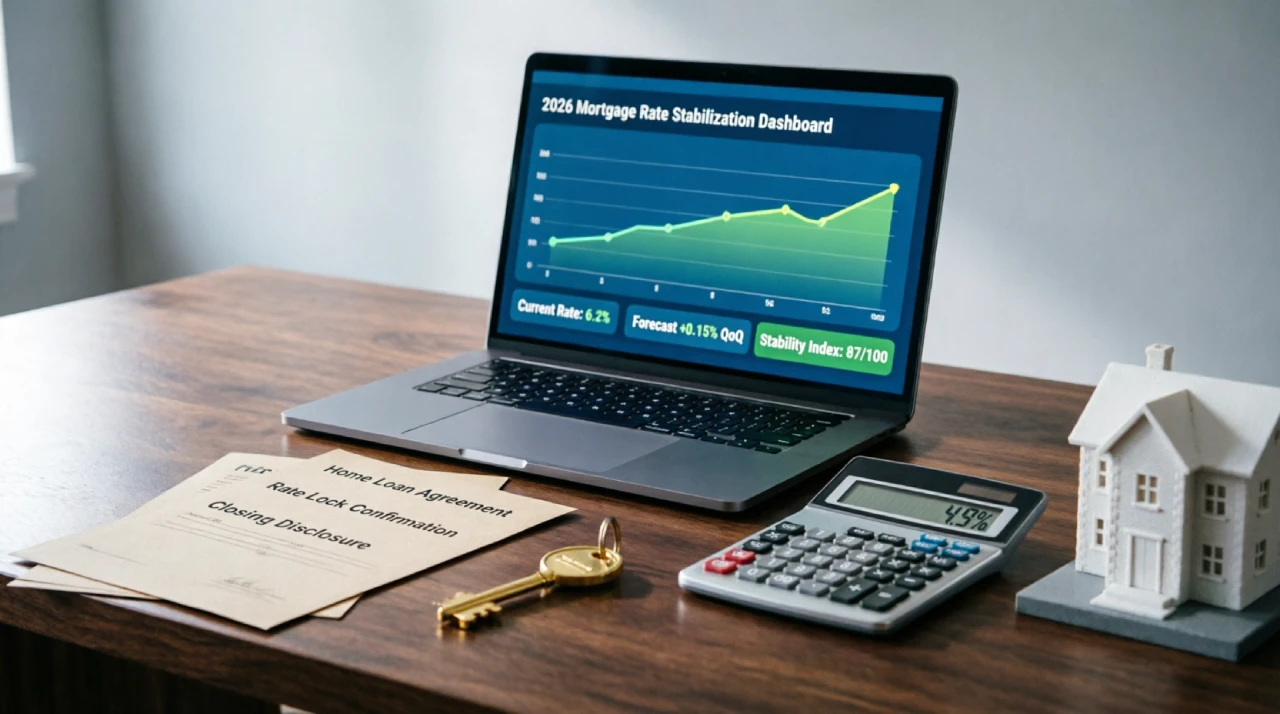
Mortgage rates continue to be the biggest factor influencing housing affordability. After reaching multi-year highs, most housing analysts expect rates to gradually improve throughout 2026, although they are unlikely to return to the historic lows experienced during 2020 and 2021.
Higher borrowing costs have discouraged many buyers over the past few years, but a more stable interest rate environment is encouraging cautious optimism. If inflation continues to ease and the economy remains stable, mortgage rates may gradually decline over the coming months.
Rather than waiting endlessly for the “perfect” interest rate, many financial experts recommend focusing on a monthly payment that comfortably fits your budget. If rates fall significantly in the future, refinancing may become an option.
Key takeaway: A slightly higher mortgage rate on the right home is often better than missing a good buying opportunity while trying to time the market perfectly.
Home Price Forecast: Will Prices Fall?
One of the most common questions buyers ask is whether home prices will finally drop.
For most markets, the answer is probably not dramatically.
Instead of a nationwide decline, economists expect home prices to remain relatively stable during 2026, with some regions experiencing small increases while others see slight corrections.
Several factors continue supporting home values:
- Housing supply remains below long-term demand.
- Population growth continues in many regions.
- Many homeowners are reluctant to sell because they already have very low mortgage rates.
- Builders are increasing construction, but not fast enough to eliminate inventory shortages nationwide.
That said, buyers now have stronger negotiating power than they did just a few years ago. Longer listing times, price reductions, and seller incentives are becoming increasingly common, particularly in markets where inventory has improved.
Will the Housing Market Crash in 2026?
Searches for “Will the housing market crash?” remain extremely popular, but most economists do not expect a nationwide crash similar to the 2008 financial crisis.
Today’s housing market is fundamentally different.
During the 2008 crash, risky lending practices, excessive speculation, and weak underwriting standards contributed to widespread foreclosures. In contrast, today’s homeowners generally have stronger credit profiles, higher home equity, and more stable loan products.
While some overheated local markets could experience price corrections, most experts expect a gradual market adjustment rather than a sudden collapse.
Several reasons support this outlook:
- Lending standards remain much stricter.
- Unemployment remains relatively low.
- Homeowners hold significant equity.
- Housing inventory is improving slowly instead of flooding the market.
- Demand continues to outpace supply in many regions.
For buyers hoping to see home prices cut in half, that scenario appears unlikely under current economic conditions.
Is 2026 Finally a Buyer’s Market?
The housing market is becoming noticeably more balanced than it has been in recent years.
Although many cities still favor sellers, buyers are regaining negotiating power thanks to increasing inventory and reduced competition.
Signs that indicate a healthier buyer environment include:
- Homes are staying on the market longer.
- More price reductions.
- Sellers offering closing cost assistance.
- Mortgage rate buydowns from home builders.
- Greater flexibility during negotiations.
This does not necessarily mean buyers have complete control, but the intense bidding wars that dominated previous years are becoming less common in many parts of the country.
Local conditions still matter far more than national headlines. Some cities remain highly competitive, while others offer buyers significant leverage during negotiations.
Rent vs. Buy: Which Makes More Sense in 2026?

Many Americans are also asking whether renting is the smarter financial decision.
The answer depends on your personal goals rather than market headlines.
| Renting | Buying |
|---|---|
| Lower upfront costs | Builds long-term equity |
| Greater flexibility | Stable monthly payments over time |
| No maintenance responsibility | Freedom to renovate and personalize |
| Easier relocation | Potential long-term appreciation |
| No property taxes | Opportunity to build generational wealth |
If you expect to relocate within the next few years, renting may still make financial sense. However, buyers planning to stay in one location for several years often benefit from building equity rather than continuing to pay rising rental costs.
The key is affordability. Buying should never stretch your finances to the point where monthly payments become difficult to manage. A sustainable budget is far more important than purchasing the biggest home you qualify for.
Making the Right Home-Buying Decision in 2026
Understanding Housing Affordability in 2026
While the housing market is becoming more balanced, affordability remains the biggest challenge for many buyers. Home prices are still historically high in many regions, and mortgage rates continue to increase monthly payments compared to just a few years ago.
Before starting your home search, calculate your total housing budget—not just the mortgage payment. A realistic budget should include:
- Monthly mortgage payment
- Property taxes
- Homeowners insurance
- HOA fees (if applicable)
- Utilities
- Maintenance and repairs
- Emergency savings
Many financial advisors recommend keeping your total housing costs below 28% of your gross monthly income whenever possible. This helps maintain financial flexibility while reducing the risk of becoming “house poor.”
Instead of focusing solely on the maximum amount a lender approves, determine what monthly payment comfortably fits your lifestyle and long-term financial goals.
First-Time Home Buyer Programs Worth Exploring
Buying your first home can feel overwhelming, but several programs continue helping qualified buyers reduce upfront costs.
Some of the most popular options include:
| Program | Best For | Key Benefit |
|---|---|---|
| FHA Loan | Buyers with lower credit scores | Down payment as low as 3.5% |
| VA Loan | Eligible veterans and military families | No down payment required |
| USDA Loan | Rural homebuyers | Zero down payment in eligible areas |
| State & Local Assistance Programs | First-time buyers | Down payment or closing cost assistance |
Many states also offer grants, forgivable loans, or tax incentives that can significantly reduce the amount of cash needed at closing.
Before choosing a lender, ask whether they participate in local first-time buyer assistance programs. Many buyers overlook these opportunities simply because they never ask.
Best States and Cities to Buy a Home in 2026
Real estate remains highly local. While national trends provide useful guidance, individual markets often perform very differently.
Markets Showing Strong Buyer Opportunities
Several areas continue attracting buyers because of growing inventory, job opportunities, and relatively affordable housing.
These include:
- Texas
- North Carolina
- Georgia
- Ohio
- Tennessee
- Indiana
Cities with healthy long-term demand include Dallas, Charlotte, Columbus, Nashville, and Raleigh, where employment growth continues supporting housing demand.
More Expensive Markets
Buyers should expect greater affordability challenges in markets such as:
- California
- Hawaii
- New York
- Massachusetts
- Washington
Although these locations continue attracting buyers due to strong economies, higher home prices and living costs require careful financial planning.
Remember that neighborhood conditions often matter more than statewide averages. Working with an experienced local real estate professional can help identify communities offering the best value.
New Construction vs. Existing Homes
One noticeable trend during 2026 is the increasing number of incentives offered by home builders.
Builders eager to move completed inventory may offer benefits such as:
- Mortgage rate buydowns
- Closing cost assistance
- Free appliance packages
- Upgrade credits
- Reduced lot premiums
Here’s a simple comparison:
| New Construction | Existing Home |
|---|---|
| Modern layouts | Established neighborhoods |
| Lower maintenance | Larger lots in many areas |
| Builder warranties | Mature landscaping |
| Energy-efficient features | More room for negotiation |
| Builder incentives | Faster move-in availability |
Neither option is universally better. The right choice depends on your budget, location preferences, and lifestyle.
Your 2026 Home-Buying Checklist
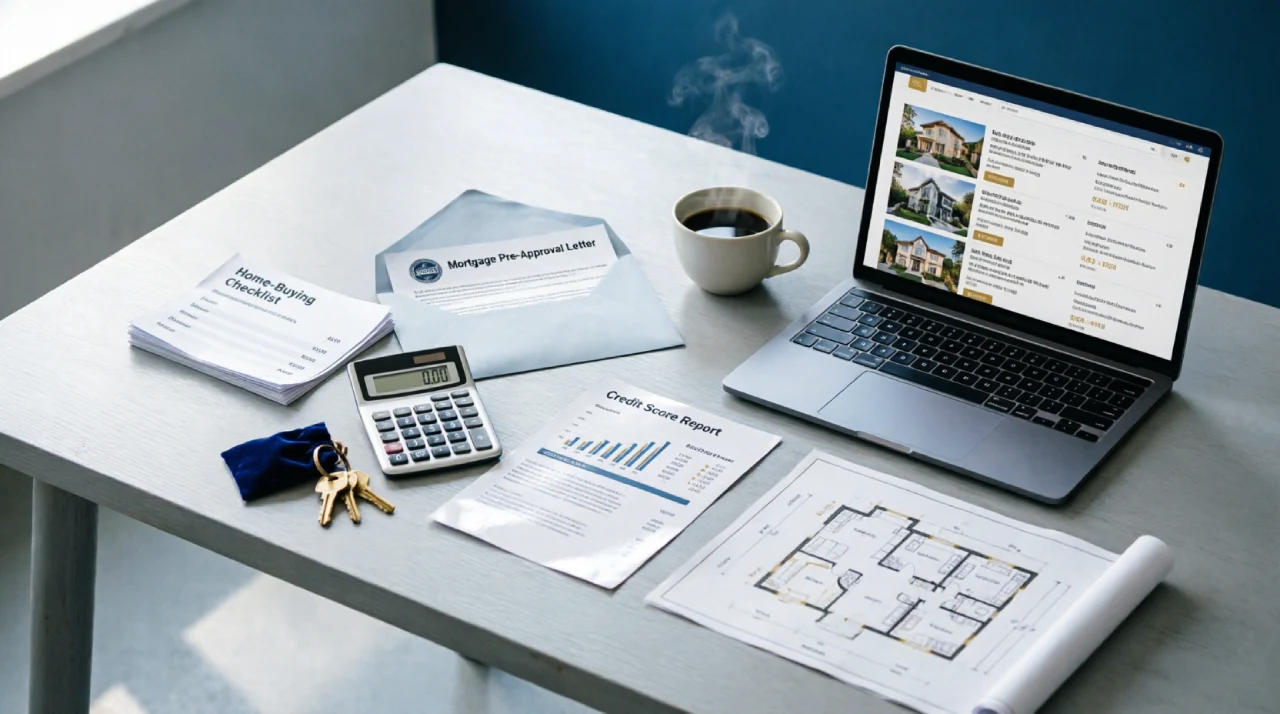
Preparation remains one of the biggest advantages any buyer can have.
Before making an offer, complete the following checklist:
✔ Review your credit report.
✔ Improve your credit score if possible.
✔ Save for your down payment.
✔ Build an emergency fund.
✔ Estimate closing costs.
✔ Compare offers from multiple lenders.
✔ Get fully pre-approved.
✔ Research local market conditions.
✔ Avoid taking on new debt before closing.
✔ Schedule a professional home inspection.
A prepared buyer often negotiates more confidently and avoids expensive surprises after moving in.
Common Mistakes Buyers Should Avoid
Even in a more balanced market, certain mistakes can become very costly.
Waiting Forever for the Perfect Market
Trying to perfectly predict mortgage rates or home prices usually results in missed opportunities. Buy when your finances—not the headlines—say you’re ready.
Ignoring Total Ownership Costs
The mortgage payment is only one part of homeownership. Taxes, insurance, maintenance, utilities, and repairs should all fit comfortably within your budget.
Skipping the Inspection
A professional home inspection can uncover hidden issues before closing. Waiving this step to make your offer more attractive may lead to expensive repairs later.
Not Shopping Around for a Mortgage
Interest rates and lender fees vary significantly. Comparing several lenders could save thousands of dollars over the life of your loan.
Making Financial Changes Before Closing
Avoid financing a vehicle, opening new credit cards, or changing jobs after receiving mortgage approval. Lenders often review your financial profile again before closing.
Frequently Asked Questions
Is 2026 a good year to buy a house?
For financially prepared buyers, 2026 offers more opportunities than the highly competitive markets of recent years, thanks to improving inventory and slower price growth.
Will mortgage rates fall further?
Many analysts expect gradual improvements, although rates are unlikely to return to the record lows seen during 2020 and 2021.
Should I wait until 2027?
Waiting only makes sense if you need additional time to improve your credit, save a larger down payment, or stabilize your finances. Otherwise, delaying solely in hopes of lower prices may not provide significant benefits.
Is renting cheaper than buying?
In some markets, renting costs less in the short term. However, buying can build equity and create long-term financial stability for homeowners planning to stay in one location for several years.
Should I buy a newly built home?
New construction can provide attractive incentives, warranties, and energy-efficient features, while existing homes may offer better locations and more negotiation opportunities.
Bottom Line
So, is now a good time to buy a house in 2026? For many buyers, the answer is yes—but only if you’re financially prepared.
The housing market is no longer defined by extreme competition or rapid price increases. Instead, it is moving toward greater stability, with improved inventory, more negotiation opportunities, and modest home price growth. Although affordability challenges remain, buyers now have more time to compare properties, negotiate favorable terms, and make informed decisions.
Rather than trying to predict the perfect moment to enter the market, focus on what you can control: improving your credit, saving for upfront costs, understanding your local housing market, and choosing a home that fits comfortably within your budget.
Ultimately, the best time to buy isn’t determined by a single mortgage rate or headline—it’s determined by your financial readiness and long-term goals. If you’ve built a solid financial foundation and plan to stay in your home for several years, 2026 could provide one of the strongest opportunities to achieve homeownership in today’s more balanced real estate market.

Other Articles





No Comment! Be the first one.