Millions of people reach for petroleum jelly every day. It sits in almost every bathroom cabinet, used for dry skin, small cuts, and chapped lips. But a common question keeps coming up online: is petroleum jelly bad for you?
Some people trust it as a safe daily product. Others worry about clogged pores or hidden risks tied to how it’s made. This guide breaks down what this product actually is, how it works, its real benefits, and the risks worth knowing before you use it again.
What Is Petroleum Jelly?
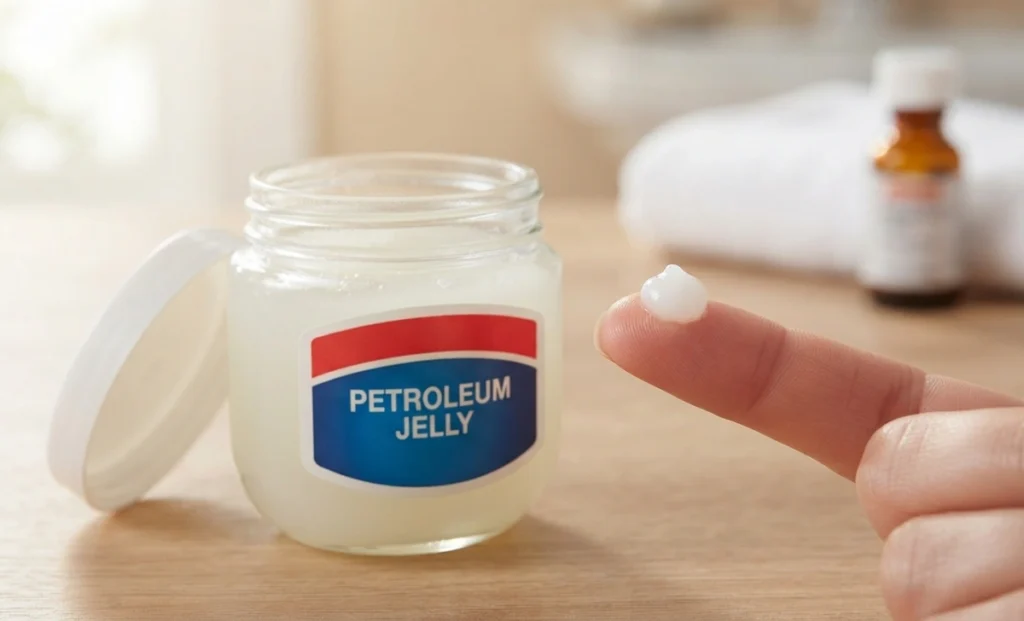
Petroleum jelly is a semi-solid substance made from refined mineral oils and waxes. Oil workers in the 1800s first noticed a gooey substance forming on rigs and used it to soothe cuts and dry hands.
Robert Chesebrough later refined this substance and turned it into a packaged product. That product became Vaseline, a name still tied to this jelly today.
Not all of it is made the same way. There are three common types:
- Cosmetic grade, used in lip balms, lotions, and skincare products
- Medical grade, used in wound care and clinical settings
- Industrial grade, used in machinery and not meant for skin
Only cosmetic and medical grade products should ever touch your skin.
How Does It Work on Skin?
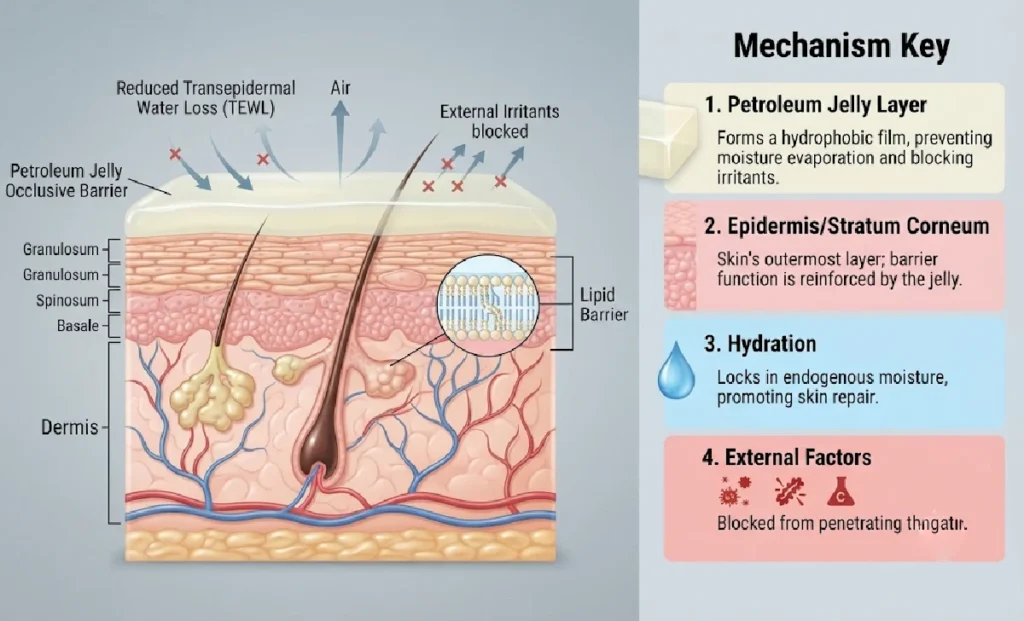
This substance does not add moisture to your skin. Instead, it works as an occlusive agent, which means it sits on top of the skin and forms a protective seal.
This barrier locks in water that is already in your skin. It slows down what dermatologists call transepidermal water loss, or the process where moisture escapes through the skin’s surface.
Because it stays on the surface, it does not get absorbed into deeper skin layers. This is part of why it rarely irritates, even on sensitive skin.
This also explains why it pairs well with other moisturisers. Applying it over a hydrating lotion or serum helps trap that product’s benefits closer to the skin, instead of letting them evaporate within a few hours.
Is Petroleum Jelly Bad for You?
For most people, this product is safe when used on the skin as directed. The FDA recognises it as a safe skin protectant, and it has been part of skincare routines for more than 150 years.
Dermatologists often recommend it because it rarely causes allergic reactions. It contains no fragrance, and it does not include harsh chemicals that commonly irritate skin.
The main concerns come from misuse, not the substance itself. It is not meant to be swallowed, and it should never be used inside the nose. When used the way it’s intended, on clean external skin, it carries very low risk.
What Are the Benefits?
This staple offers several practical uses beyond simple moisturizing:
- Helps heal minor cuts, scrapes, and burns by keeping the area moist
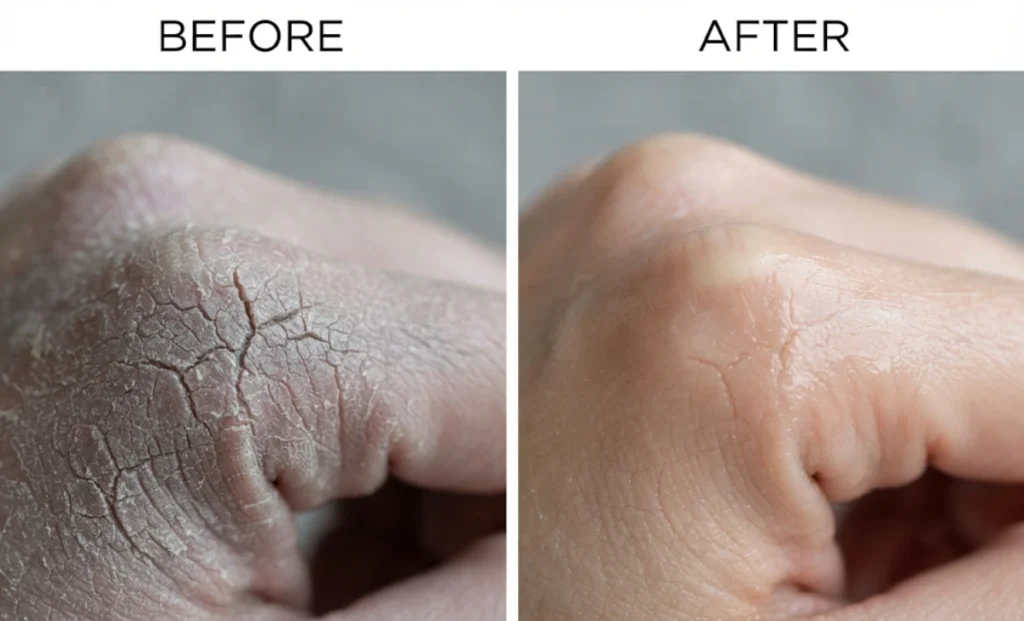
- Locks in moisture on dry, cracked skin like heels and elbows
- Soothes and protects chapped lips
- Reduces friction and chafing during exercise or long walks
- Removes stubborn makeup without stripping natural oils
- Supports skin affected by eczema or extreme dryness
- Protects a baby’s skin from diaper rash
These benefits explain why it remains a staple in medicine cabinets around the world.
What Are the Risks and Side Effects?
Petroleum jelly is generally gentle, but it is not risk-free for everyone. Some possible side effects include:
- Clogged pores, especially on oily or acne-prone skin
- Trapped bacteria if applied over dirty or unwashed skin
- Rare allergic reactions such as redness or itching
- Lung irritation if inhaled in large amounts near the nose
- Slower healing if used on deep or infected wounds
- Stomach upset if swallowed in large quantities
Most of these risks are avoidable with proper use and clean application.
Can It Cause Cancer?
This is one of the biggest concerns people search for, and it deserves a clear answer. The worry comes from polycyclic aromatic hydrocarbons, often shortened to PAHs. These compounds have been linked to cancer in some studies.
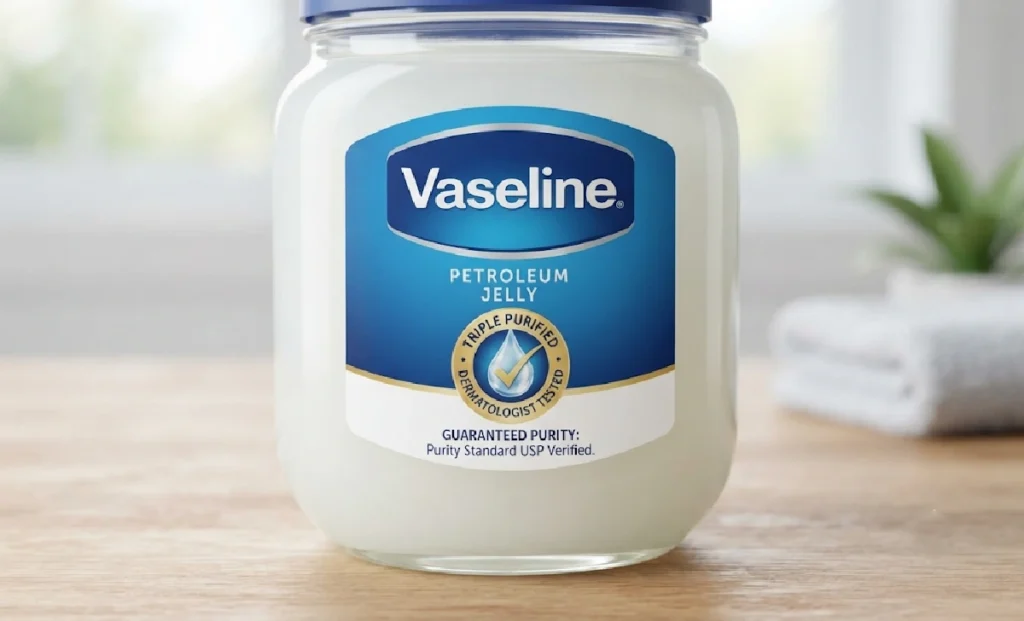
PAHs are found in unrefined versions, not in the refined, cosmetic-grade options sold for skincare. Reputable brands like Vaseline use a triple-purification process to remove these harmful compounds before the product reaches store shelves.
In more than 50 years of use, there has been no confirmed link between the refined version and skin cancer. To stay safe, choose a USP-grade product or a trusted, well-known brand rather than an unmarked or unrefined one.
Is It Safe for Your Face?
Petroleum jelly is safe for most skin types when applied to clean skin. It works well on dry patches around the nose and chin, where skin often cracks in cold weather.
It has also become popular in a skincare trend called slugging, where people apply a thin layer as the last step in their nighttime routine. This seals in previous products and helps the skin retain moisture overnight.
That said, it is not the best fit for everyone. People with very oily or acne-prone skin may notice more clogged pores or breakouts. It works best as a finishing layer after a moisturiser, not as a replacement for one.
Is It Safe for Lips?
Petroleum jelly is commonly used to treat and prevent chapped lips. It creates a seal that locks in existing moisture, which helps protect lips from wind, cold air, and dryness.
It does not add new hydration, so it works best when applied before your lips become severely dry or cracked. Used in small amounts, it is safe for daily lip care.
Is It Safe for Babies?
Many parents use this product to help prevent diaper rash. It forms a barrier that protects a baby’s skin from constant contact with moisture, which is one of the main causes of rash.
Paediatricians generally consider it safe when used as directed on clean, dry skin. It should never be applied near a baby’s nose or mouth, since inhaling it can cause breathing complications.
What Are Safer Alternatives?
If this product feels too heavy for your skin, several natural alternatives offer similar benefits:
- Shea butter for deep moisture without a thick residue
- Coconut oil for quick absorption and mild antibacterial properties
- Beeswax balm for protecting lips and hands
- Aloe vera gel for lightweight hydration on sensitive or acne-prone skin
The right choice depends on your skin type and what you’re trying to treat. None of these alternatives seals moisture as tightly as an occlusive like Vaseline, but they can feel lighter on skin that reacts poorly to heavy barriers.

How to Use It Safely
A few simple habits can help you get the benefits of this product while avoiding most of the risks:
- Apply it only to clean, dry skin
- Avoid using it inside the nose or mouth
- Never swallow it or use it internally
- Choose refined, USP-grade products or trusted brands
- Avoid using it on deep, infected, or open wounds
- Skip it on very oily or acne-prone areas if you notice breakouts
Following these steps allows most people to use it daily without any issues.
Final Takeaway
Petroleum jelly is safe for most people when used the right way. It has stood the test of time for over 150 years, and it remains backed by the FDA as a trusted skin protectant.
It works well for locking in moisture, healing minor wounds, and protecting dry or sensitive skin. People with oily or acne-prone skin should watch for clogged pores and always choose a refined, trusted brand to avoid unnecessary risks.
If you have specific skin concerns or ongoing irritation, talk to a dermatologist before adding any new product to your routine.
Frequently Asked Questions
Is petroleum jelly toxic?
No. The refined version used in skincare products is not toxic. It only raises concern if swallowed in large amounts or if the product is unrefined.
Can it cause acne?
It can clog pores on oily or acne-prone skin. On normal or dry skin, it rarely causes breakouts.
Is Vaseline the same as petroleum jelly?
Yes. Vaseline is a well-known brand of this substance, and both work the same way on the skin.
How often can you use it?
Most people can use it daily, including on the face, lips, and rough patches of skin.
Does it expire?
This product is very stable and breaks down slowly. It lasts a long time if stored in a clean, sealed container.



No Comment! Be the first one.