
You wake up, grab your phone, and before your feet even hit the floor, you already feel behind. Or at least, that is how it feels.
Somewhere along the way, being busy became a badge of honor. The more packed your schedule, the more important you seemed. Saying “I am exhausted” started to feel like a humble brag. And if you were not rushing somewhere or juggling five things at once, you wondered whether you were doing enough.
But here is the thing. Busy does not equal productive. And rest does not equal laziness. You have been told to stop comparing morning routines and start living by your own pace, but that advice is easier said than done when the whole world seems to celebrate exhaustion.
This article will help you see busy culture for what it actually is and show you how to step back from it without feeling guilty or falling behind.
Why We Started Worshipping Busyness
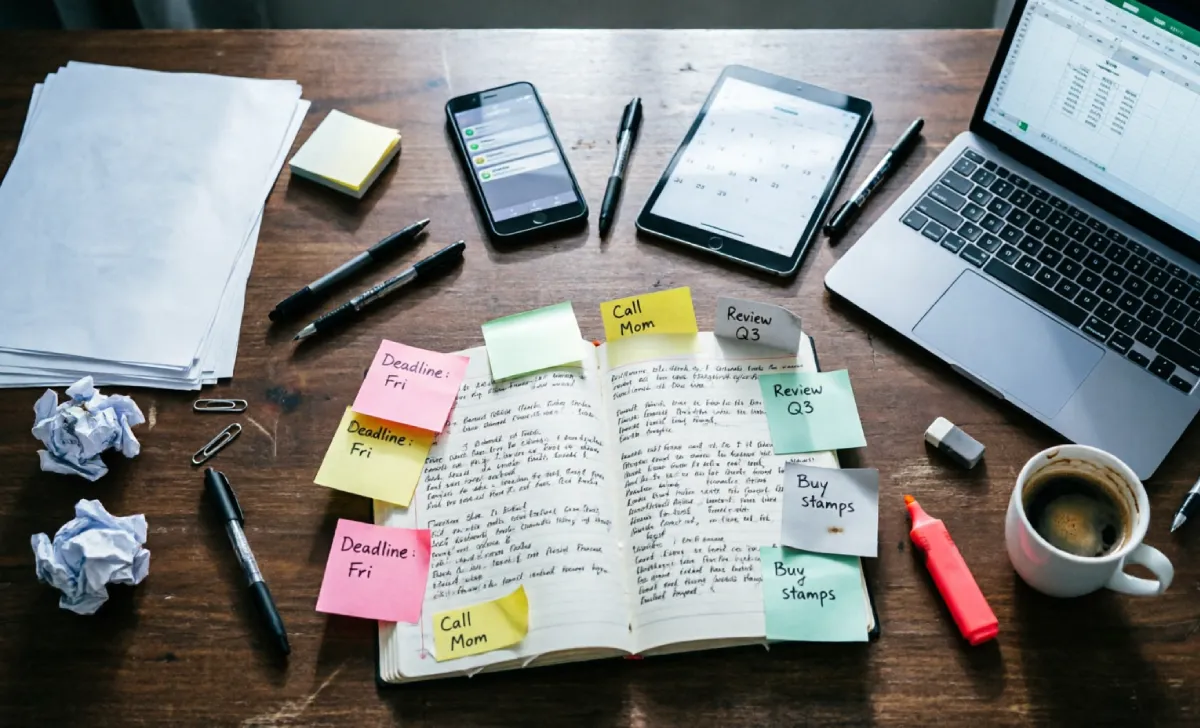
Busy culture did not happen by accident. It was built slowly, through years of social pressure, productivity content, and the constant visibility of what everyone else is doing.
Social media made it worse. You see someone’s 5 a.m. workout, their 10-task to-do list, their “grinding on a Sunday” caption, and your brain tells you that you should be doing the same. Even if you had a perfectly good, restful weekend.
The truth is, we started measuring our worth by our output. And that is a problem, because human beings are not machines.
What Busy Culture Is Actually Costing You
Staying in permanent hustle mode does not just tire you out. It chips away at things you probably care about more than your task list.
Here is what tends to go first:
- Your sleep quality drops, and so does your focus
- Your relationships get whatever time is left over, which is often very little
- Your creative thinking slows down because your brain never gets quiet time
- Small joys, like a slow morning or a good conversation, start to feel like luxuries you cannot afford
Research from the American Psychological Association has consistently linked chronic overwork to higher rates of burnout, anxiety, and decreased job performance. You are not achieving more by doing more. Often, you are achieving less.
The Difference Between Productive and Just Busy
This is worth sitting with for a moment. Productive means you are moving toward something that matters. Busy just means your time is filled.
You can spend an entire day in meetings, emails, and tasks, and end it having made zero real progress on anything important. That is busy. It feels like work, but it is not always moving you forward.
Ask yourself this at the end of each day: “Did I do anything today that actually mattered?” If the answer is no most of the time, you are running in circles, not forward. A smarter approach is to track energy, not hours, which tells you far more about how well you are actually working.
How to Stop Romanticizing Busy Culture
Stopping the cycle does not mean you stop caring or working hard. It means you get honest about what actually matters and protect your time accordingly.
Notice When You Are Performing Busyness
Sometimes we are not actually busy. We are just performing it. Checking emails compulsively, rewriting to-do lists, saying yes to things so we look involved.
Pay attention to the moments when you are adding tasks that do not really need doing. That awareness alone can break a lot of the cycle.
Let Rest Be Part of Your Standard Week
Rest is not a reward you earn after you have worked hard enough. It is part of how you work well at all.
Schedule it like you schedule anything else. A walk, a quiet evening, a morning with no commitments. Not as a treat. As a regular part of how you live.
Stop Competing With Other People’s Schedules
Someone else’s packed calendar is their life, not a target you need to hit. What works for a 24-year-old with no kids and different goals is not the blueprint for your life.
The minute you stop comparing your pace to someone else’s, a lot of the pressure lifts.
Redefine What a Good Day Looks Like
If your only measure of a good day is how much you got done, you will always feel behind. Add other measures. Did you feel calm? Did you connect with someone you care about? Did you enjoy even one part of your day?
Broadening what counts as success makes it much easier to actually feel it. One way to do that is to create a joy list so you have something to return to when your day feels flat or unproductive.
Get Comfortable Saying No Without Explaining Yourself
Every yes to something unnecessary is a no to something that matters. You do not owe anyone a detailed explanation for protecting your time.
“I cannot take that on right now” is a complete sentence.
Why Rest Does Not Make You Lazy
This is the part most people struggle with. Even when you know you need to slow down, the guilt creeps in.
Here is a useful way to think about it. Athletes do not train 24 hours a day. Recovery is part of the performance plan. No serious coach would cut rest time to get better results. It would backfire immediately.
Your mind works the same way. The ideas, the problem-solving, the real creative work; a lot of that happens when you step back, not when you are grinding harder.
Lazy is choosing to avoid responsibility or growth. Rest is choosing to sustain yourself so you can keep going. Those are not the same thing.
Small Shifts That Actually Help

You do not need a dramatic life overhaul. A few small, consistent shifts can change how you relate to your time and your work.
- End your workday at a set time, and stop when you say you will
- Take real breaks during the day, not just scroll breaks
- Do one thing at a time instead of constantly multitasking
- Spend at least one hour a week doing something with no outcome attached
- Start noticing when you feel genuinely good, not just finished
These are not productivity tricks. They are habits that help you live like a person, not a schedule.
You Do Not Have to Earn Your Rest
The busy culture myth tells you that your value comes from what you produce. That if you slow down, you will fall behind, miss out, or become irrelevant.
That is not true. It is just a story you have been told so many times that it started to feel like a fact.
You are allowed to have a quiet Tuesday. You are allowed to finish work at a reasonable hour and actually enjoy your evening. You are allowed to have a weekend that restores you instead of exhausting you. The lazy girl productivity method proves that doing less, on purpose, can actually get you further than grinding ever did. Stepping away from a busy culture is not giving up. It is choosing to live in a way that is actually yours.





No Comment! Be the first one.