
There’s a moment on every long-haul flight — usually somewhere over the middle of an ocean — when you realise you have nowhere to be and nothing urgent to do. For some people, that feeling is panic. For others, it becomes the most peaceful part of the entire trip.
I used to dread long-haul flights. Fourteen hours to Southeast Asia? Sixteen hours to New Zealand? The thought alone made my back hurt. But after dozens of long-haul flights over the years — economy class, mostly — I’ve learned that the difference between a miserable flight and a genuinely good one comes down to preparation, mindset, and a few habits most travellers never think about.
This guide will help you master the long-haul flight, whether it’s your first time or your fiftieth.
What Makes a Long-Haul Flight Different
A long-haul flight is generally any flight over six hours. Anything past ten hours puts your body under real stress — not dangerous stress, but the kind that stiffens your joints, dries out your skin, and messes with your sleep cycle.
The cabin air is low in humidity (usually below 20%, compared to 40–60% in most homes). The pressure is slightly lower than sea level. You’re sitting still for hours. Blood pools in your legs. Your body clock gets confused.
Knowing this upfront is actually helpful. You’re not just “sitting on a plane.” You’re managing your body through an unusual environment. Once you treat it that way, you stop fighting the flight and start working with it.
Before You Board: The Prep Work That Actually Matters
Most flight advice skips the 48 hours before departure. That’s a mistake — and if you’ve ever had a trip go sideways because you weren’t ready, you already know this. Some of the most valuable travel lessons come from moments you didn’t see coming, and long-haul preparation is where those lessons show up first.
Sleep before you fly. This sounds obvious, but most people stay up late packing or catching an early airport transfer half-asleep. Start your flight already tired, and you’ll spend the first few hours in that foggy half-state that makes everything worse.
Hydrate the day before. Aeroplane air dehydrates you fast. If you board already slightly dehydrated (which many people are), you’ll feel the effects — headaches, fatigue, dry eyes — much sooner. Drink water the day before, not just on the flight.
Choose your seat wisely. An aisle seat gives you the freedom to move without disturbing anyone. A window seat gives you a wall to lean against and control over the window shade. Middle seats give you nothing. For flights over ten hours, pay for seat selection if you can. It’s worth it.
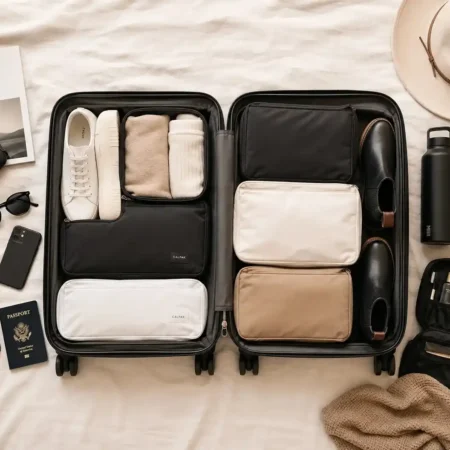
Pack your carry-on like a comfort kit. Don’t just throw in your laptop and a book. Bring:
- A neck pillow (the U-shaped ones work, but a wrap-around style is better for sleeping upright)
- Noise-cancelling earbuds or headphones
- An eye mask
- A small moisturiser and lip balm
- A light layer like a scarf or thin hoodie (cabins get cold)
- A refillable water bottle
On the Plane: Managing Your Body
This is where most people go wrong. They sit down, don’t move for eight hours, eat everything offered to them, and wonder why they feel terrible when they land.
Move every 90 minutes. Stand up, walk to the back of the plane, do a few calf raises, and roll your ankles. This keeps blood circulating and prevents the stiffness that turns into real pain on long flights. It also lowers the risk of deep vein thrombosis (DVT), which is a genuine medical concern on flights over four hours.
Drink water constantly, skip the alcohol. A glass of wine feels relaxing, but alcohol dehydrates you and disrupts sleep quality. If you want a drink, have one — but match it with two glasses of water.
Eat light. The meals served on planes are fine, but eating a full, heavy meal at an unusual hour when you’re sedentary is a recipe for bloating and discomfort. Eat half portions if you can, and skip the second bread roll.
Take your shoes off. Feet swell on long flights. Taking your shoes off early (and wearing compression socks if you’re flying over eight hours) makes a real difference in how your legs feel on arrival.
Sleeping on a Long-Haul Flight: The Real Strategy
Getting actual sleep on a plane is a skill. Here’s what works.
Align your sleep with your destination’s night. If you’re flying to a time zone eight hours ahead, try to sleep during the first half of the flight. This primes your body for the new schedule and reduces jet lag significantly.
Create a sleep environment. Put on your eye mask before you feel tired, not after. Block out noise with headphones or earplugs. Recline your seat slightly. Tell yourself you don’t need to sleep — just rest. Pressure to sleep makes it harder.
Skip the sleeping pill trap. Over-the-counter sleep aids like diphenhydramine (found in many travel sleep products) can leave you groggy for hours after landing. If you want pharmaceutical help, talk to your doctor about a low-dose option. Melatonin (0.5mg to 1mg) is a gentler way to nudge your body toward sleep without the grogginess.
The Mental Game: Turning Dead Time Into Good Time
Here’s the part nobody talks about enough. A long-haul flight, if you frame it right, is one of the last places in modern life where no one can reach you and nothing is expected of you.
Batch your entertainment. Download movies, podcasts, and audiobooks you’ve been putting off. Frequent long-haul travellers save their most anticipated films specifically for flights. It creates something to look forward to. A few essential travel apps are also worth setting up before you board — offline maps, translation tools, and flight trackers work even when you go to aeroplane mode.
Use the time for thinking. Some of the best planning, journaling, and creative thinking happens mid-flight. There’s no Wi-Fi distraction (or if there is, you can ignore it), no meetings, no notifications. Bring a notebook.
Accept the limbo. The fastest way to enjoy a long-haul flight is to stop treating it as lost time. You’re not going to get those twelve hours back by being annoyed about them. You are somewhere between two places, floating at 35,000 feet, and that’s actually a strange and remarkable thing.
Common Mistakes to Avoid
- Don’t cross your legs for long periods. It cuts circulation and worsens leg swelling.
- Don’t skip the eye mask because it feels silly. It dramatically improves sleep quality.
- Don’t drink coffee right before you want to sleep, even if you’re tired. The cabin’s altitude amplifies caffeine’s effects.
- Don’t overpack your under-seat bag. You need legroom more than you need easy access to five items.
- Don’t ignore discomfort. If your back hurts, stand up. If you’re thirsty, ask for water. Small adjustments early prevent real misery later.
Travelling solo adds another layer to all of this — especially for women. If you’re heading out alone, it’s worth reading through this practical safety handbook for solo female travellers before your next trip.
Arriving Right: The Last Two Hours Matter
The way you handle the final stretch of a long-haul flight affects how you feel for the first day of your trip.
About two hours before landing, stop trying to sleep. Get up, stretch, wash your face if you can, and drink a full glass of water. Put your shoes back on gradually (feet may have swollen slightly). Start mentally shifting into arrival mode.
When you land, resist the urge to nap immediately unless it’s nighttime at your destination. Get sunlight, eat a proper meal, and stay awake until a reasonable local bedtime. This is the single most effective thing you can do against jet lag.
Conclusion
Long-haul flights don’t have to be something you just survive. With the right preparation, a bit of body awareness, and a shift in mindset, they can genuinely become one of the more peaceful parts of travelling. The discomfort is real, but it’s also manageable — and often, so is the boredom, once you stop fighting it.
The travellers who handle long-haul flights best aren’t the ones with the fanciest gear or the business class seat. They’re the ones who’ve learned to work with the flight instead of against it.
Key Takeaways
- Hydrate the day before your flight, not just during it
- Move every 90 minutes to keep circulation healthy and reduce stiffness
- Align your sleep with your destination’s time zone to fight jet lag
- Treat the flight as protected downtime, not lost time
- The final two hours before landing set the tone for your first day — use them well

Other Articles

How to Travel Safely as a Solo Female Traveler: A Practical Handbook
Beyond the Memes: How Savvy CTOs Mine Reddit for a Strategic Edge



No Comment! Be the first one.