You’re sitting in a darkened cinema. The opening credits roll. Popcorn in hand, you’re ready to be entertained — maybe thrilled, maybe moved to tears, maybe just pleasantly distracted for two hours. There’s nothing wrong with that. But somewhere across town, another person is watching the exact same film and experiencing something altogether different. They’re not just watching — they’re reading the movie, the way you’d read a great novel, catching subtext in a single glance, hearing the grammar of the music, and decoding what the director is actually saying between the lines of the script.
That person is the film critic. And the best news you’ll hear today? You can be them, too — no film school degree required.
The First Shift: From Passenger to Pilot
Most of us watch films as passengers. We sit back, let the story carry us, and evaluate the ride based on how bumpy or smooth it felt. Film critics, on the other hand, are in the cockpit. They ask not just what happened on screen, but how and why it was shown the way it was.
This shift begins with a single, powerful question: “Why did the filmmaker make that choice?”
Every element you see — a particular camera angle, the color of a character’s coat, the silence before a crucial line of dialogue — is a decision. Nobody accidentally shoots a close-up. Nobody stumbles into a slow zoom. When you start treating the frame as a canvas of deliberate intentions rather than a transparent window into a story, your experience of film changes permanently. You graduate from passenger to pilot in one mental step.
Watch the Frame, Not Just the Action
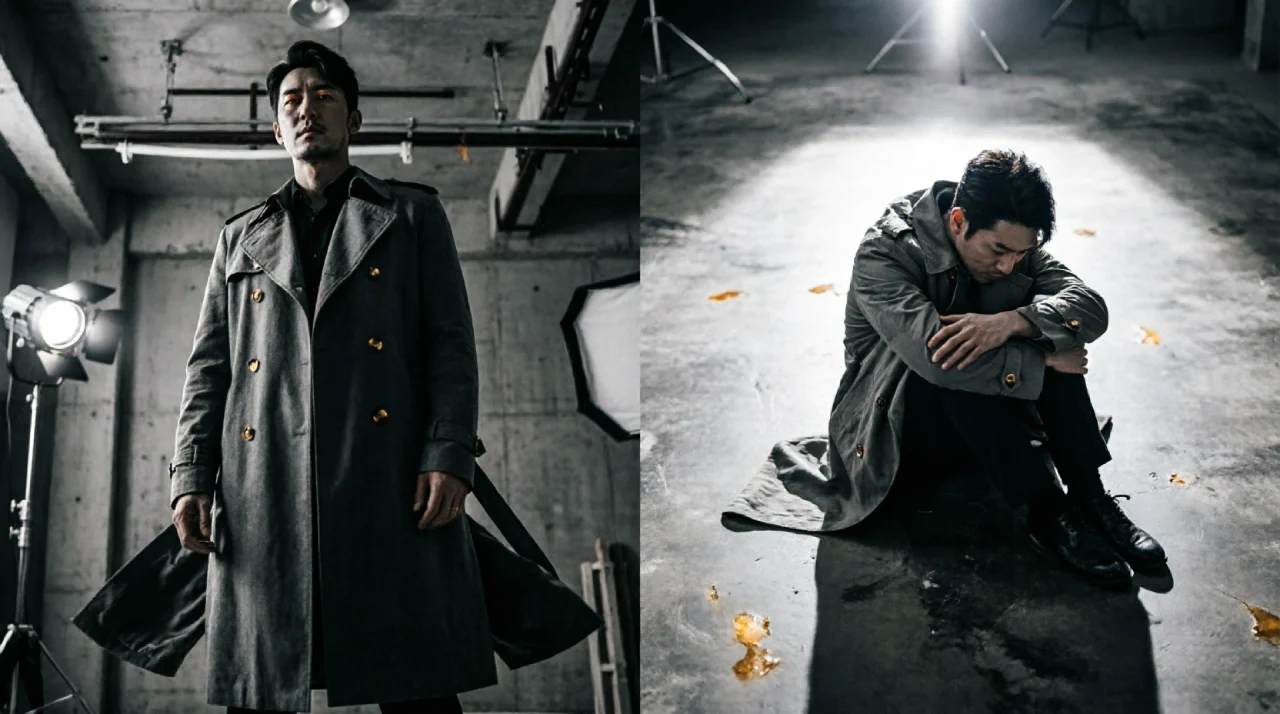
Here’s something the average viewer never notices: while we’re watching what is happening, the most important information is often stored in how it’s filmed.
Camera placement is one of cinema’s most expressive languages. A low-angle shot — where the camera looks up at a character — communicates power and dominance. Think of any villain’s entrance in a great thriller. A high-angle shot does the opposite; it makes characters look small, vulnerable, insignificant against the world. When Steven Spielberg wants you to feel the terror in a child’s eyes, he doesn’t tell you. He shows you by dropping the camera to their height.
Then there’s movement. A handheld, shaky camera creates intimacy and anxiety — it mimics the instability of real life. A smooth, gliding steadicam shot can feel omniscient, dreamlike, unsettling. The Coen Brothers use locked-off, perfectly still cameras during moments of violence that make the chaos feel eerily clinical. That stillness is the commentary.
Next time you watch a film, try this: mute the sound for thirty seconds during a pivotal scene. What does the composition alone tell you? What’s in the foreground and background? Who’s centered in the frame and who’s not? The answers will surprise you.
Listen Like a Musician: The Language of Sound
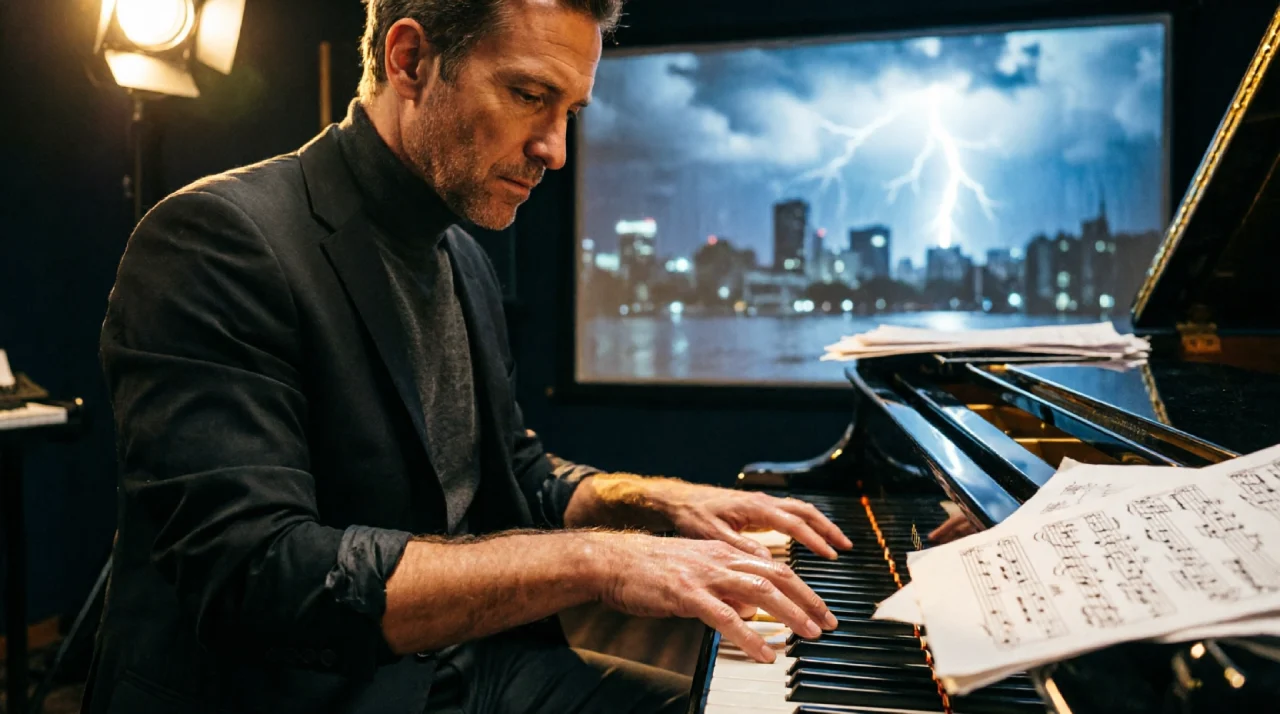
Film critics hear what casual viewers don’t consciously register: the soundtrack. Not just the score, but every layer of sound design — and what it means.
A great composer like Ennio Morricone, Jonny Greenwood, or Hans Zimmer doesn’t simply underscore what’s happening emotionally. They counterpoint it, complicate it, even contradict it. When a cheerful tune plays over a disturbing scene, that dissonance is intentional. It creates unease, irony, even dark comedy. When silence falls in a moment of expected climax, the absence of sound becomes louder than any orchestra.
Notice when music enters and, crucially, when it stops. Directors often yank the score away right before a revelation — leaving the audience in an uncomfortable, unguided silence that forces them to feel the weight of a moment without any musical scaffolding to tell them how they’re supposed to feel. That is the craft. That is the filmmaker trusting the audience. And the critic is the first one to notice it.
Color Is a Character
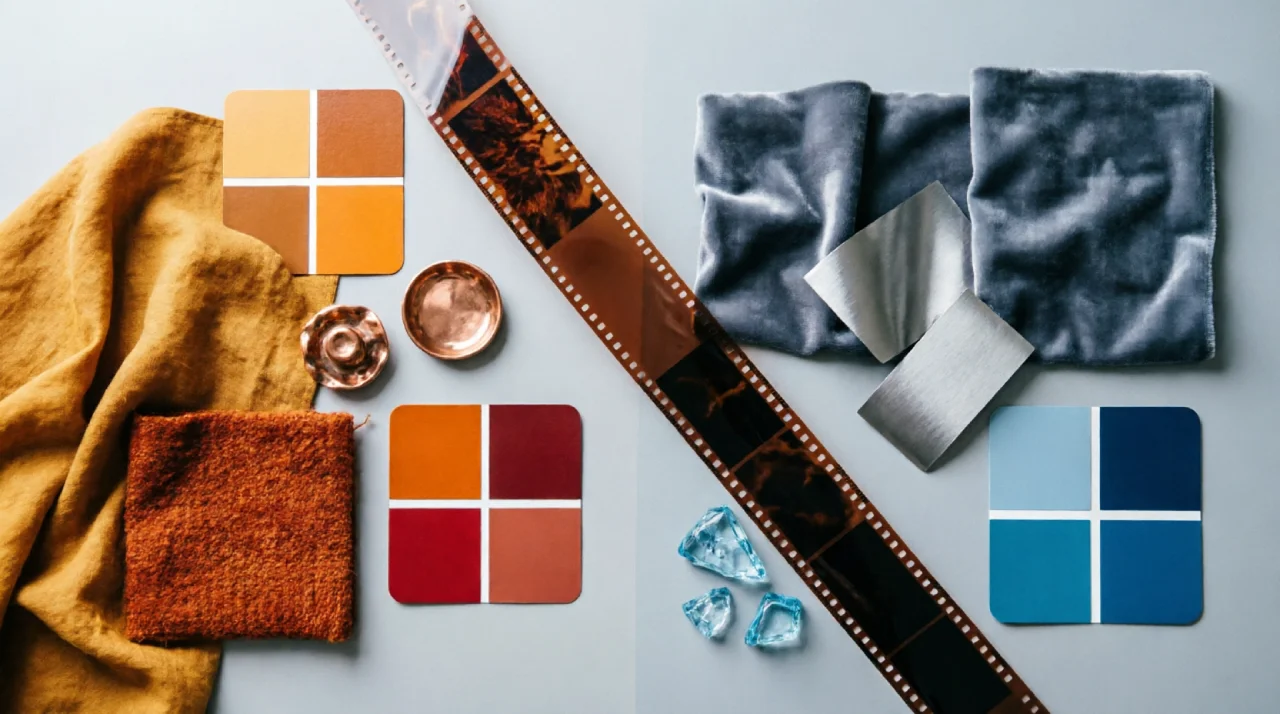
In cinema, color doesn’t just decorate the world — it narrates it.
Consider the muted, washed-out tones of a war film versus the saturated, sun-drenched palette of a romantic comedy. That’s not just aesthetic preference; it’s storytelling through hue. Filmmakers and their directors of photography (the cinematographers) spend months designing a film’s color palette the way an interior designer plans a room — every shade chosen for emotional effect.
Wes Anderson is perhaps the most famous practitioner of this art: his pastel pinks, dusty yellows, and symmetrical frames create a world that looks like a storybook but feels like a fable about loneliness. The color is the subtext. Similarly, in films noir, shadow and the absence of color represent moral ambiguity. In horror, the sudden intrusion of red into an otherwise cold, blue palette triggers alarm in the viewer’s subconscious before they’ve processed the threat intellectually.
When you next watch a film, ask yourself: what colors dominate this world, and how do they shift as the story progresses? A character moving from dark to light clothing across a film’s arc is rarely an accident. It’s a visual thesis statement.
Context Is the Critic’s Secret Weapon
Film critics don’t watch movies in a vacuum. They bring history to the theatre.
Understanding the era in which a film was made, the social and political climate it emerged from, and the tradition it’s either continuing or rebelling against gives a film a depth that pure surface-level viewing simply cannot access. Get Out (2017) is a gripping horror film on its own terms — but knowing the historical weight of racism in America transforms it into a layered, meticulous metaphor that operates on multiple simultaneous frequencies.
You don’t need to be a film historian to do this, but a little context goes a long way. Before watching a classic or a critically debated film, spend five minutes learning about when it was made and what was happening in the world. Ask: is this film a product of its time, or is it speaking to all time? Is it reflecting culture, or critiquing it?
Genre awareness is equally powerful. When you understand the conventions of a genre — the beats, the archetypes, the expected payoffs — you can appreciate when a filmmaker honors those conventions and when they gleefully subvert them. A western that deconstructs heroism hits differently when you’ve seen the hundreds of westerns it’s commenting on.
The Performance Within the Performance
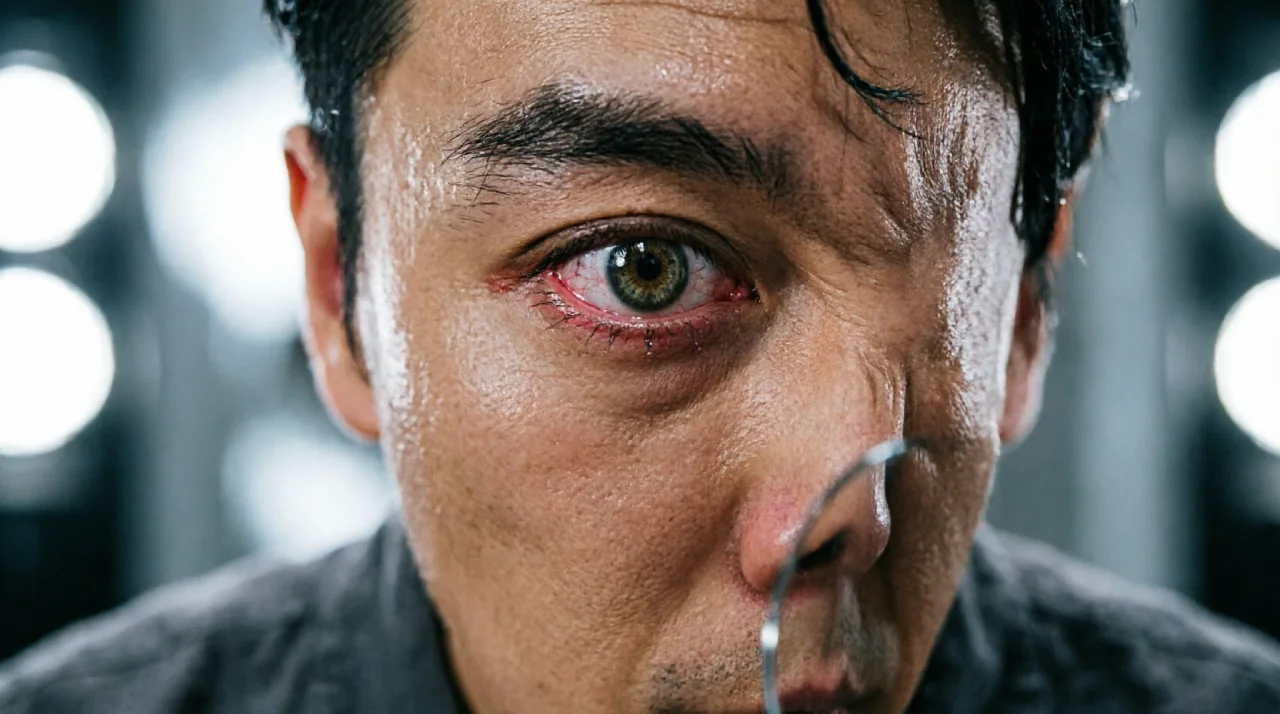
Actors are a film critic’s most discussed subject — but not always for the most obvious reasons.
Critics watch for restraint as much as for emotional fireworks. The moments when an actor does less — a single tear rather than heaving sobs, a barely perceptible twitch of the jaw before delivering bad news — are often the moments of greatest skill. They reveal a performer’s trust in the audience, their understanding of the camera’s intimacy.
Watch the eyes. The camera is the great equalizer in cinema — it catches what actors think they’re hiding. A great performance lives in micro-expressions, in the pause before a character speaks, in what the body says when the dialogue is silent. Watch a scene from a Meryl Streep film with the sound off and you’ll lose nothing. That is mastery.
Watch It Twice. Then Talk About It.
Here is the single most transformative habit of a film critic: the rewatch.
A film has two lives — the life before you know how it ends, and the life after. On a second viewing, you are no longer a captive of suspense; you become an archaeologist. Details that seemed incidental reveal themselves as foreshadowing. A line of dialogue that seemed throwaway becomes the key to a character’s entire psychology. The filmmaker’s architecture becomes visible.
And then — talk. Debate. Disagree. Film criticism is not a solitary exercise. It thrives in conversation, in the collision of perspectives. The friend who loved the film you hated is offering you a second viewfinder. The best critics aren’t those who decide what a film means; they’re those who help others see more than they did alone.
Your Ticket Is Already In Your Hand
Here’s the thing about watching film like a critic: it doesn’t diminish the fun. If anything, it multiplies it.
You don’t stop laughing at the jokes or gasping at the twists. You simply add a second layer of pleasure — the pleasure of understanding, of catching a filmmaker’s wink, of feeling the machinery of a great story hum beneath your hands. Cinema is the most collaborative art form humanity has ever invented, a convergence of writing, acting, photography, music, design, and technology into a single two-hour experience.
Every frame is a gift from someone who cared enormously about how you would feel.
Isn’t it worth giving them your full attention?
Go on. Press play. And this time, really watch.
Conclusion: The Screen Will Never Look the Same
Watching a film like a critic isn’t about becoming cynical, cold, or analytical to the point of losing joy — it’s the exact opposite. It’s about falling deeper in love with cinema by learning its language. Once you understand how a director uses shadow to signal danger, how a composer’s silence speaks louder than music, or how a single color shift charts a character’s transformation, every film becomes richer, more layered, and more rewarding.
You don’t need a degree from a film school. You don’t need to write a review or post a score on a rating site. You simply need curiosity — the willingness to ask why instead of just what. Start with your next film. Bring your full attention. And trust that the filmmaker put something there worth finding.
The screen has always had more to say. Now you know how to listen.



No Comment! Be the first one.