It’s 11 p.m. You’re scrolling through your phone, and suddenly a jacket pops up on your screen. You don’t need it. You didn’t even know you wanted it ten minutes ago. But now? You have to have it.
Sound familiar? If you’ve ever added something to your cart just because you were bored, stressed, sad, or even happy, you’ve experienced emotional spending. And honestly, you’re not alone. Almost everyone does this at some point. The tricky part is learning to notice it before you hit “buy,” not after the package arrives and the guilt kicks in.
This article will help you understand what emotional spending really looks like, why it happens, and most importantly, how to catch yourself in the act before your wallet takes the hit.
What Is Emotional Spending, Really?
Emotional spending is when you buy something not because you need it, but because of how you feel in that moment.
Maybe you had a rough day at work. Maybe you’re lonely. Maybe you just got good news and want to celebrate. Whatever the emotion, shopping becomes the quick fix.
The problem isn’t the occasional treat. The problem is when shopping becomes your go-to way of handling emotions, without you even realizing it.
Why We Fall Into This Trap
Let’s be honest, shopping feels good. That’s not a coincidence.
When you buy something new, your brain releases a little burst of dopamine, the “feel-good” chemical. For a few minutes, you feel excited, hopeful, maybe even proud. It’s a quick reward.
But here’s the catch: that feeling fades fast. And often, it’s followed by regret, especially when you realize the item is sitting in a bag, untouched, a week later.
Once you understand this cycle, it becomes much easier to catch yourself before you fall into it.
Signs You’re About to Emotionally Spend
Before you swipe your card, your mind usually gives you little hints. You just have to know what to look for.
Here are some common red flags:
- You’re scrolling shopping apps out of boredom, not because you need anything specific
- You had an argument, a bad day, or feel anxious, and shopping suddenly feels like the answer
- You tell yourself “I deserve this” right after a stressful moment
- You’re comparing yourself to someone online and want to feel better instantly
- You feel a rush of urgency, like you must buy it right now or you’ll miss out
- You’re already justifying the purchase before you’ve even added it to the cart
If any of these sound familiar, pause. That pause is where real change begins.
The “Pause and Ask” Method
Here’s a simple trick that works wonders: before buying anything that isn’t planned, stop and ask yourself a few quick questions.
1. How am I feeling right now?
Are you stressed? Tired? Upset about something? Naming the emotion takes away some of its power over you.
2. Do I need this, or do I want to feel something?
Sometimes the item isn’t really the goal. The feeling it promises is. Comfort. Excitement. Relief. Once you notice that, the item itself starts to feel less important.
3. Will I still want this tomorrow?
If the urge is real, it will still be there in 24 hours. If it fades, you just dodged an emotional purchase.
This simple habit creates space between the feeling and the action. And that space is exactly where good decisions happen.
Real-Life Example: The Late-Night Scroll
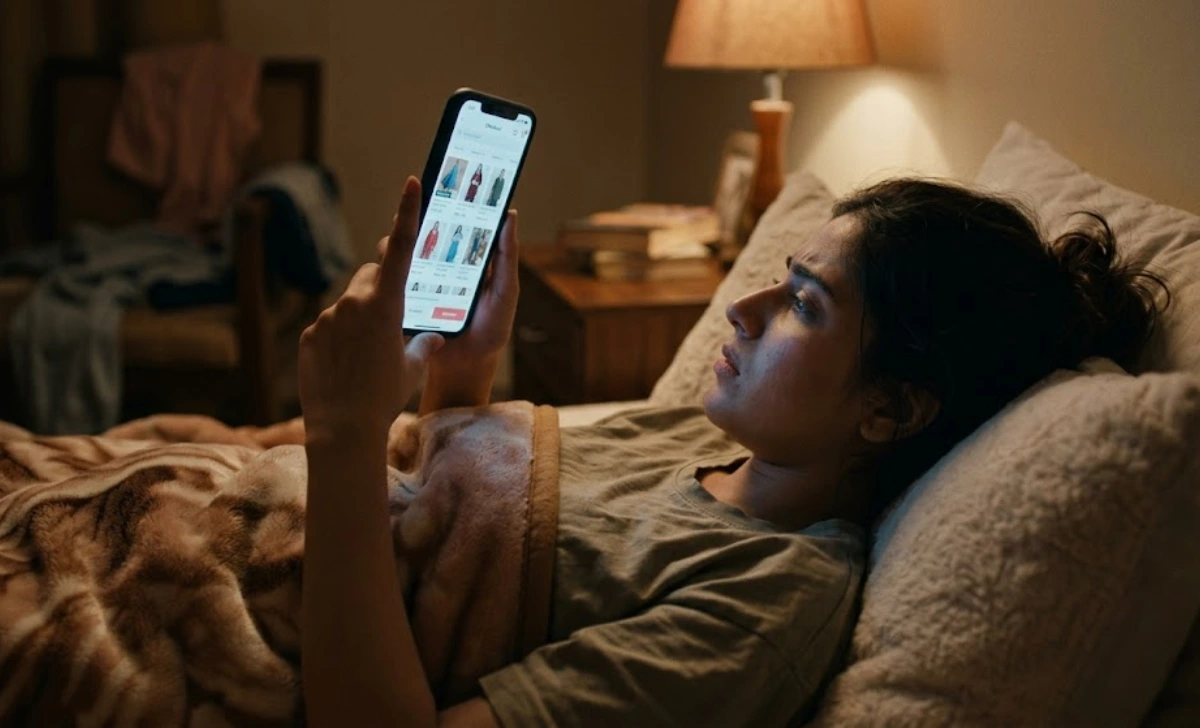
Picture this. Sarah just finished a stressful day at work. Her boss criticized her project in front of the whole team. She feels small, frustrated, and honestly, a little embarrassed.
That night, she opens a shopping app “just to look.” Within minutes, she’s added three items to her cart, none of which she needs.
Here’s what’s really happening: Sarah isn’t shopping for clothes. She’s shopping for control. For a moment, choosing what she wants to buy makes her feel powerful again, especially after a day where she felt powerless.
Once she notices this pattern, she can choose a different way to feel that same relief, maybe a walk, a call with a friend, or simply acknowledging that her feelings are valid without needing to buy anything.
Practical Tips to Stop Emotional Spending Before It Happens
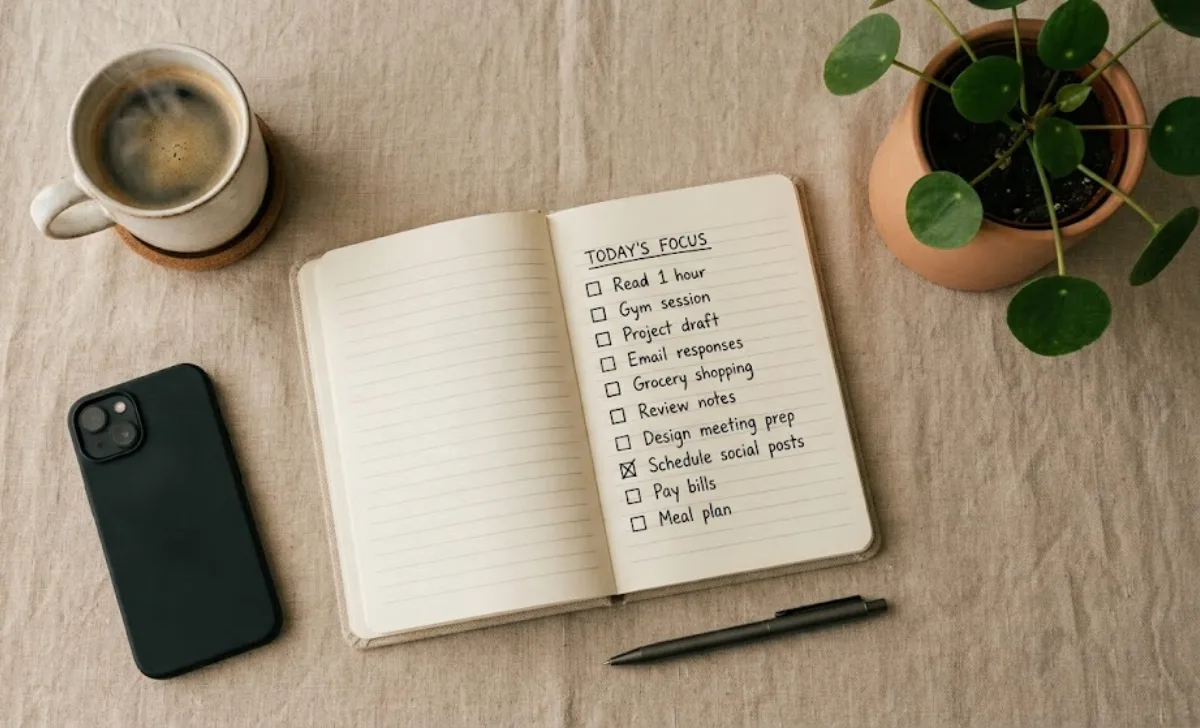
You don’t need to be perfect. You just need a few smart habits that slow you down.
1. Create a 24-Hour Rule
For anything that isn’t a planned purchase, wait a full day before buying it. If you still want it tomorrow with a clear head, go for it.
2. Keep a “Wish List” Instead of a Cart
Move tempting items to a wish list instead of buying right away. Most of the time, you’ll forget about them within a few days.
3. Identify Your Emotional Triggers
Notice the moments that usually lead to impulse buying. Is it after a hard conversation? Late at night? When you’re comparing yourself to others online? Once you know your triggers, you can prepare for them.
4. Unfollow Accounts That Trigger Overspending
If certain influencers or brands constantly make you feel like you’re missing out, it’s okay to unfollow them. Protecting your peace matters more than staying updated on every new product.
5. Replace the Habit, Not Just Resist It
Instead of just telling yourself “don’t shop,” give yourself something else to do when the urge hits. A short walk, journaling, or even trying a lazy girl productivity method can redirect that restless energy.
6. Track Your Spending With Kindness, Not Guilt
Look back at your purchases without judging yourself harshly. Just notice patterns. Awareness, not shame, is what creates lasting change.
What to Do If You’ve Already Overspent
Let’s be real, this happens to everyone. If you’ve already made a few emotional purchases, don’t spiral into guilt. That guilt often leads to more emotional spending, not less.
Instead:
- Acknowledge it without judgment
- Look at what triggered it
- Return items if you can; no shame in that
- Plan one small step to avoid the same trigger next time
Progress isn’t about being flawless. It’s about noticing a little earlier each time.
Building a Healthier Relationship With Money and Emotions
At the end of the day, this isn’t really about shopping. It’s about learning to sit with your feelings instead of numbing them with a quick purchase.
Money can absolutely be used to bring joy, comfort, and convenience into your life. The goal isn’t to stop enjoying nice things. It’s about learning to track energy, not hours, so you notice when you’re low, tired, or drained long before that feeling turns into a shopping cart.
The next time you feel that urge to click “buy,” pause for just a second. Ask yourself what you’re really feeling. That one small pause can save you money, reduce stress, and help you feel more in control of your life.
Final Thoughts
Emotional spending isn’t a character flaw. It’s simply a habit, and like any habit, it can be noticed, understood, and gently changed.
You don’t need extreme rules or harsh self-criticism. You just need a little awareness and a few simple habits to catch yourself before that click.
So next time your finger hovers over that “buy” button, take a breath. Ask yourself how you’re really feeling. You might just save yourself from a purchase you didn’t truly need, and feel a lot more at peace with your choices.



No Comment! Be the first one.