
Have you ever stood in the stationery aisle, heart fluttering, fingers tracing the crisp cover of a brand-new planner? The pages are perfectly blank. The design is gorgeous. You can almost feel the organized, unstoppable person you’re about to become. You buy it, take it home, lovingly write your name on the first page… and then, three weeks later, it’s buried under a pile of mail, silently judging you from the corner of your desk.
If that scene feels painfully familiar, take a deep breath. You are not alone. You’re not lazy, you’re not hopeless, and you definitely don’t need another complicated system. It’s time to stop buying unused planners and finally break the cycle for good.
The Planner Trap: Why We Can’t Resist a Fresh Start

Before we can fix the cycle, we need to understand why it happens. It’s not really about paper and ink. It’s about emotion.
A new planner feels like a new identity. When you crack open that fresh, dated diary, you’re not just buying a scheduling tool. You’re buying the dream version of yourself — the one who meal preps, never forgets a birthday, and always has a tidy home. That hope is intoxicating. And honestly, there’s nothing wrong with that. Hope is beautiful. The problem starts when we confuse buying the tool with actually doing the work.
We’re wired to love novelty. Our brains get a little hit of dopamine when we start something new. A shiny planner promises a clean slate, which is especially tempting after a chaotic week or a failed attempt at a routine. Retail therapy meets self-improvement — it’s a powerful mix.
The aesthetic pull is real. Let’s be honest: planners today are stunning. The creamy paper, the minimalist layouts, the sticker kits that look like tiny works of art. It’s easy to fall in love with the idea of planning, especially after a spiral of Pinterest scrolling fatigue. The purchase itself becomes a form of creative expression, even if the pages stay empty.
Recognizing these emotional triggers is the first step. Now let’s look at why the relationship sours so quickly.
The Real Reasons You Abandon Your Planner (It’s Not Your Fault)
That beautiful planner probably didn’t fail you. It just wasn’t designed for how your real life works. Here are the biggest culprits:
- Perfection paralysis. You want every page to look beautiful and intentional. So you put off writing in it until you have the “right” pen, the “right” handwriting, or a clear schedule. Spoiler: that day never comes.
- The layout doesn’t match your brain. Maybe you bought an hourly time-blocked planner when your days are wildly unpredictable. You’d do better to track energy, not hours. When the structure fights your natural flow, you’ll avoid it.
- Life is messy, but your planner is not. You scribble one canceled appointment, spill coffee on a page, or skip a few days, and suddenly the whole thing feels “ruined.” That pristine book quickly turns into a source of guilt instead of help.
- It became another chore. What started as a hopeful ritual now feels like homework. You think, “I should update my planner,” and immediately feel resistance. Anything that feels like a “should” rarely sticks.
Here’s the good news: none of these things mean you’re a failure. They just mean the system wasn’t built for you. And we can change that right now.
How to Finally Use a Planner You Actually Love (And Stick With It)
Let’s rewrite the story. The goal isn’t a picture-perfect planner — it’s a tool that helps you breathe a little easier. Here’s how to get there, step by step.
1. Get Honest About What You Really Need
Ignore what Instagram or YouTube says you should buy. Before you even look at another planner, ask yourself a few questions:
- Do I thrive on detailed structure or wide-open space?
- Do I write quick notes or long journal-style entries?
- What do I actually need to track? (Appointments? Gratitude? Water intake? Just three key tasks a day?)
- When am I most likely to sit down and plan — morning, evening, or on the go?
For many, especially neurodivergent minds, goal setting for real life might mean ditching the rigid formats for a flexible, compassion-based approach. A busy mom might only need a small weekly pad stuck to the fridge. A freelancer with a variable schedule might love a simple undated notebook for daily brain dumps. There is no “best planner” — only the best one for your real, imperfect life. If your current planner feels off, give yourself permission to stop using it and try a style that fits better.
2. Permit yourself to “Mess It Up”
This is the single most liberating thing you can do. Take that crisp new planner (or the abandoned one from three months ago) and do something beautifully human with it.
Write crookedly. Scratch things out with a single messy line. Doodle a lopsided heart in the corner. Use a pencil, a blue crayon, or that cheap free pen from the bank. The moment you let go of perfection, the planner stops being a museum piece and starts becoming a trusted friend.
Try this tiny exercise: Open to a blank page right now and write the most boring, mundane truth about your day — “Had cereal. Forgot to send that email. It rained.” That’s it. You’re not creating a masterpiece; you’re just recording life. Once it’s messy, it’s yours.
3. Start So Small It Feels Almost Silly
You don’t need to plan your entire week in color-coded detail. That’s a fast track to burnout. Instead, attach the smallest possible planning habit to something you already do.
- While your morning coffee brews, write down one thing you’d like to accomplish today.
- While you brush your teeth at night, jot down a single sentence about something that went well.
- Every Sunday, simply write the week’s dates on a fresh page. Nothing else. Just the dates.
Small wins build trust. When the habit feels effortless, it becomes part of your rhythm. You can always add more later, but let the foundation be ridiculously easy.
4. Let the Planner Serve You, Not the Other Way Around
So often, we contort our lives to fit a planner’s structure. Flip the script. Your planner is a servant, not a master. Use it in ways that feel good, even if they’re unconventional.
- Skip the daily section and use that space for a grocery list.
- Tear out a page and stick it on the bathroom mirror.
- Use one planner for work scribbles, family reminders, and random gratitude lists — all jumbled together.
- Stop writing on days you don’t feel like it, then just pick up where you left off. No apologies needed.
There are no planner police. If a page has only a sticker and a coffee stain, that’s a successful page — because it held a moment of your life.
5. Shift from “Taskmaster” to “Memory Keeper”
One reason we abandon planners is that they start to feel like a chronicle of everything we didn’t get done. Flip that dynamic. Instead of only writing future to-dos, use your planner to capture little moments that already happened.
- “Heard my favorite song in the grocery store.”
- “The cat did something ridiculous.”
- “Finally finished that book.”
- “Kid said the funniest thing at dinner.”
When your planner becomes a highlight reel of tiny joys, you’ll want to open it. It turns into a self-care tool, not a performance review.
6. Try a Gentle Planner Detox
If you’re caught in a buy-and-abandon cycle, consider a short break from purchasing. Decide that for the next three months, you won’t buy a new planner — no matter how tempting the cover designs are. Instead, work with what you already have. Maybe it’s a half-filled notebook, a notes app on your phone, or a simple printable from online.
This cooling-off period does two things: it saves money and stops the guilt spiral. It also forces you to get creative with what’s already working. You may discover that a 99-cent notebook was all you ever needed.
Your Planner Should Feel Like a Friend
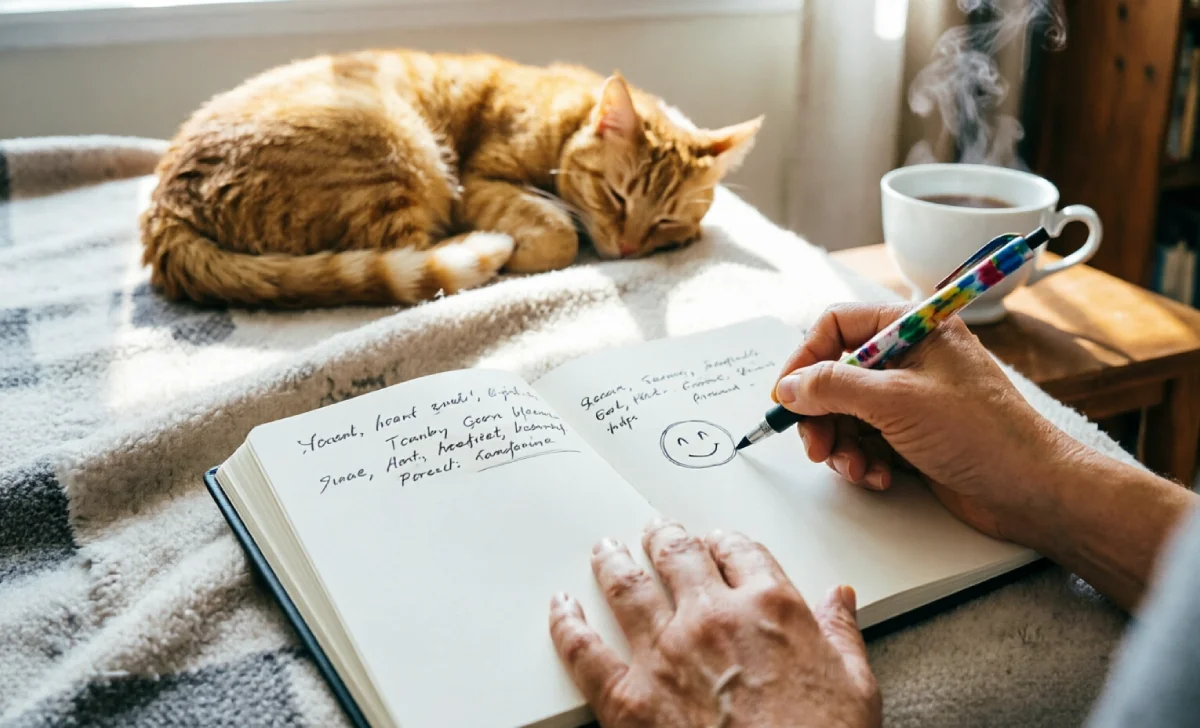
Here’s the most important thing to remember: a planner is meant to support your life, not add pressure to it. It’s okay to skip a week. It’s okay to scribble a sad face on a tough day. It’s okay to realize you just don’t click with a certain layout and move on without guilt.
The next time you feel the pull of a beautiful new planner, pause. Ask yourself: “Am I buying hope, or am I buying a tool I will actually let into my messy, wonderful, real life?” There’s no shame in either answer. But if you’re ready to break the cycle, start right where you are — with whatever paper you have, a forgiving heart, and micro-habit change days most gently. Not through discipline, but through small, kind acts of showing up.

Other Articles

Artificial General Intelligence: A Complete 2026 Guide
EEAT for Small Blogs: Does It Matter? (2026 Guide)




No Comment! Be the first one.